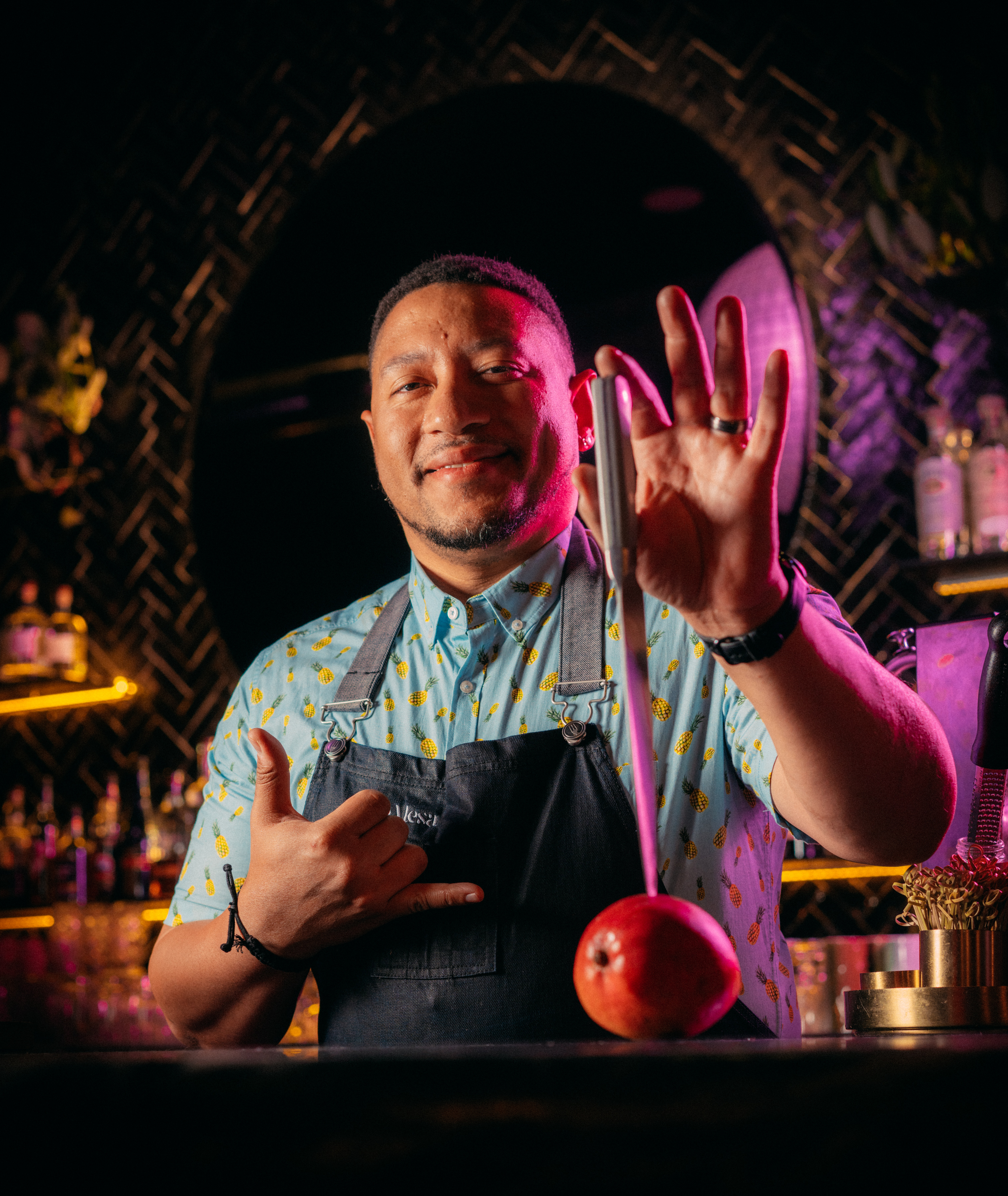
Power ain't always pretty. It's not plated perfect. It's not quiet. It's not something you wait your turn for. Where I come from, power lives in the kitchen.
In the smell of something simmering, in the sound of oil popping, in the way a dish can hold a whole story without saying a word. I grew up in Washington Heights. Dominican household. Tight space, loud music, people in and out, pots always going. Food wasn't a moment — it was constant. You wake up to it, you fall asleep to it, you carry it with you whether you realize it or not.
I remember the smell of garlic hitting hot oil. The way sofrito would take over the whole apartment before you even saw the food. Rice, beans, stewed meats — simple, but done with intention. Done with love. Done because that's how we survived, how we connected, how we showed up for each other.
And outside? Same thing, just different form. Corner spots, street vendors, piraguas dripping down your hand in the summer heat. Coconut, tamarind, sugar, ice — flavors that hit you fast and stayed with you. Nobody was calling it "culinary" or "elevated." It was just life. But those flavors? They were powerful.
That's where it started for me — not in a fine dining kitchen, but in real life. Watching, tasting, paying attention. Then getting older and starting to cook myself, not because I had to — but because I wanted to understand it. Like, how do you take something so simple and make people feel something?
That question stuck. And it followed me all the way to Oakland.
Oakland sharpened everything. This city don't care about what you say you are — it cares about what you actually bring. It's raw, it's honest, and it forces you to stand in your truth. So I did.
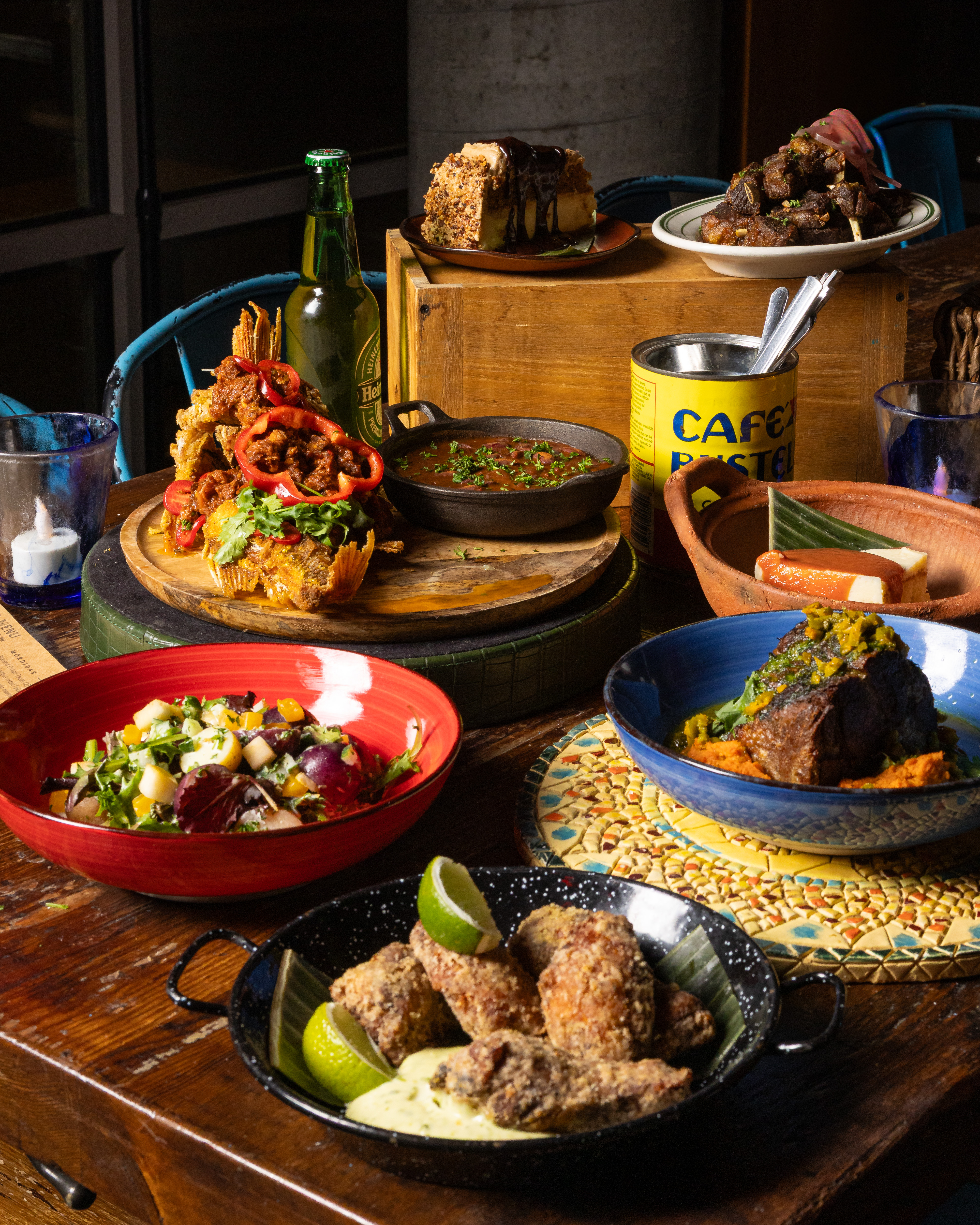
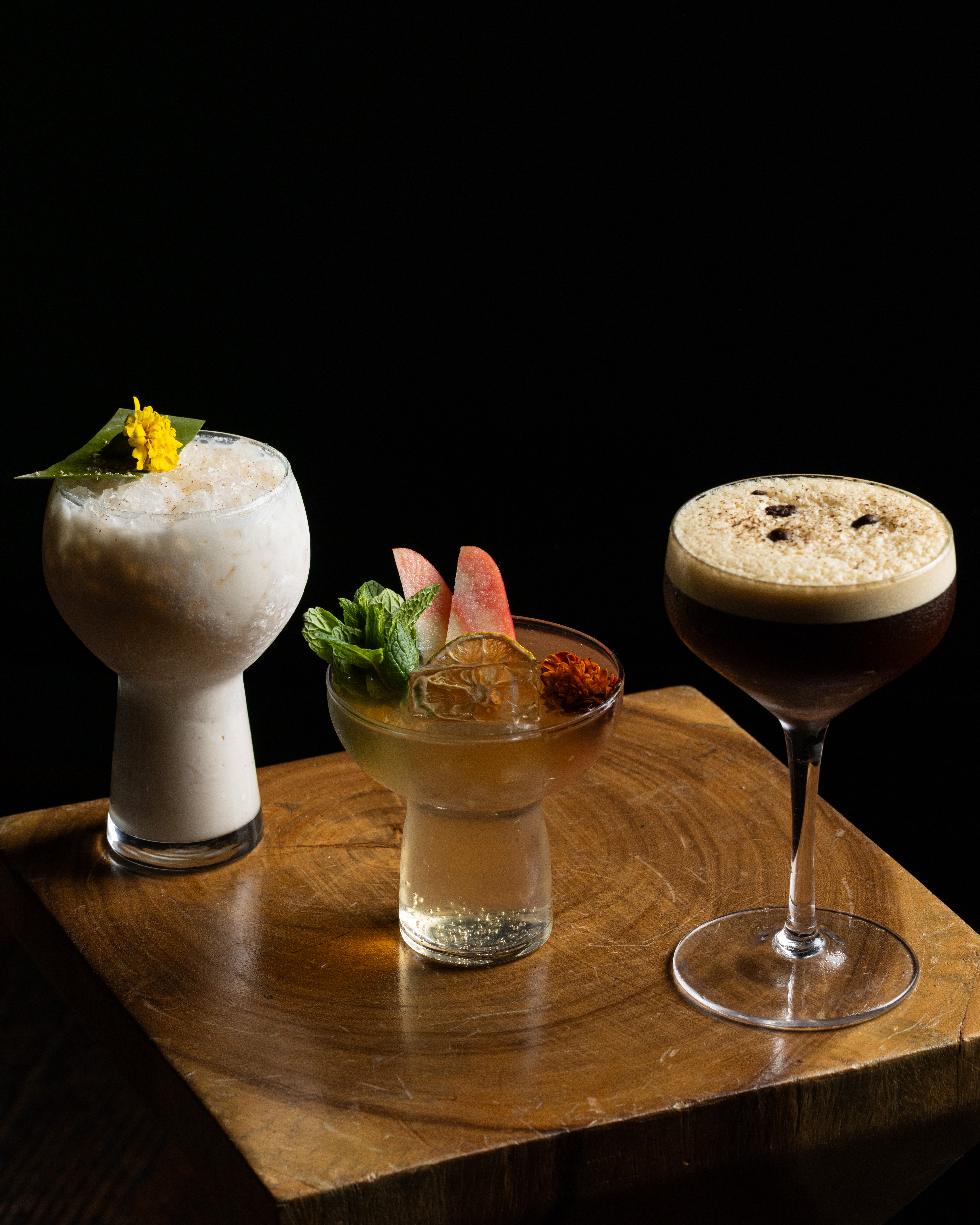
alaMar Kitchen & Bar · Sobre Mesa · Oakland · Photographs by Lemon Ad Media
alaMar, Sobre Mesa, Meski — those spaces are built off that energy. Off my roots. Off the diaspora. Dominican flavors, Ethiopian influence, Caribbean soul, Oakland grit — all in one place, all on one plate. You'll see plantain next to berbere. You'll taste sazón layered into something unexpected. You'll feel that mix of cultures not because I'm trying to impress you — but because that's my reality. That's how I move. That's how I cook.
Food, for me, is memory — but it's also evolution. I'm always thinking about where something comes from and where it can go. How do I honor that pot of beans I grew up eating, but still push it forward? How do I take something humble and make it undeniable?
"Real power in food isn't about making it fancy. It's about making people feel seen."
Chef Nelson GermanIt's about putting something on the table that represents you fully — no edits, no dilution — and letting that speak. Letting that flavor carry your story. There were times when food like mine wasn't centered. Caribbean food, Afro-Latino food — it was there, but it wasn't always respected. It wasn't always looked at as something that could sit in the same conversations as other cuisines.
So I stopped trying to fit into those conversations. I built my own.
Every plate that leaves my kitchen is intentional. It's rooted. It's saying, this is who we are. This is what we've been doing. This is what it tastes like when you come from where I come from. And when people eat it — you see it. That pause. That moment where it clicks. Where it's not just food anymore — it's connection.
At the end of the day, I'm still that kid from Washington Heights, watching the pot, tasting as I go, figuring it out in real time.
Only difference now? More people are at the table. And I'm making sure they taste exactly where I'm from.
That's power.
Caribbean Cocktails: Drinks and Bites from the Afro-Latino Diaspora
Chef Nelson German with Andréa Lawson Gray · Ten Speed Press · June 2, 2026
More than 40 cocktail recipes and 20 dishes rooted in the Afro-Latino diaspora — each one a story, each one a tribute to the neighborhoods, people, and traditions that shaped him.
Pre-order your copy →