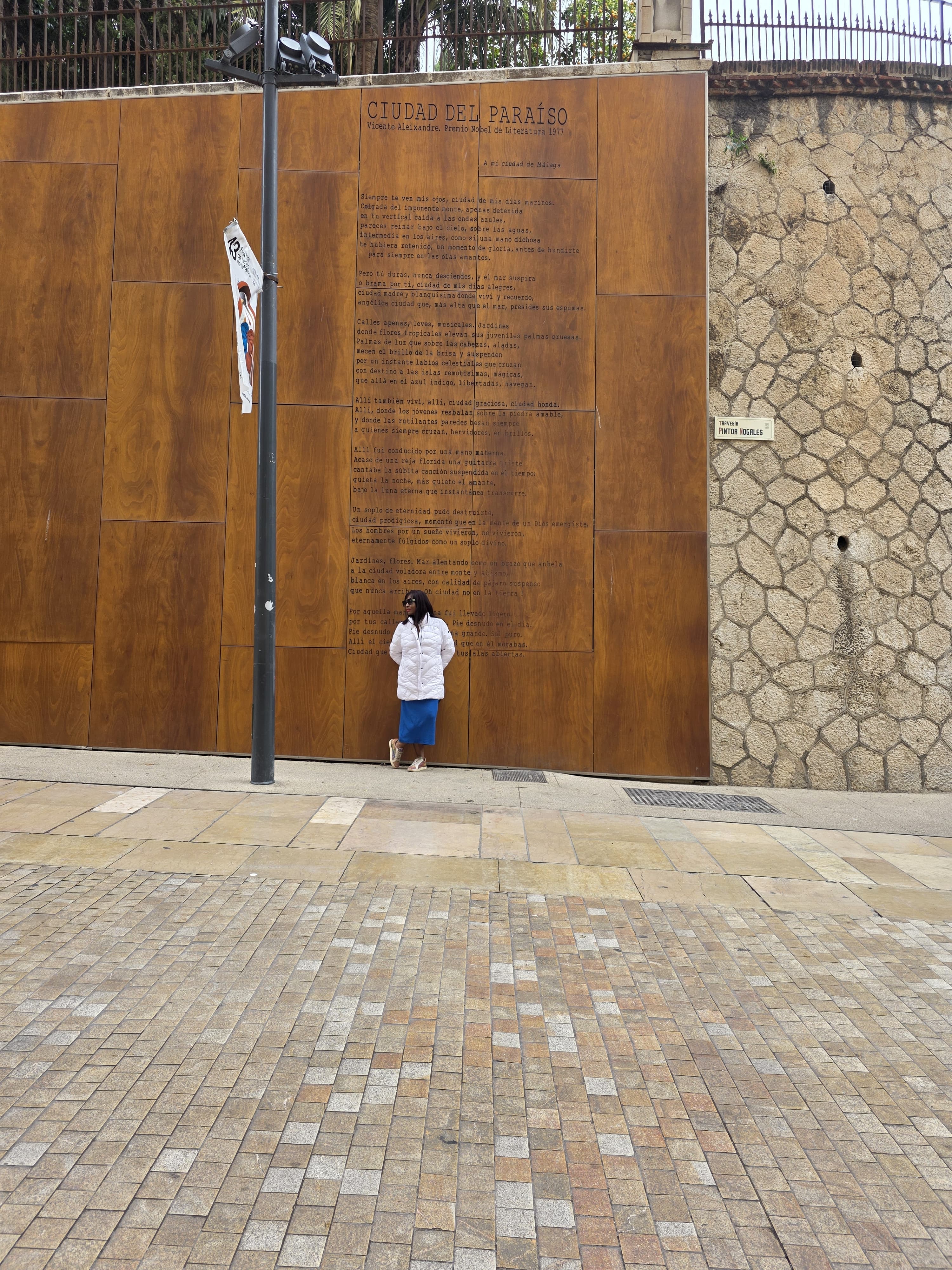
There is the life you have built. And then there is the life you are actually living inside of it. They are not always the same — and the distance between them is one of the least-discussed realities of women who have arrived somewhere real.
From the outside, the structure holds. The work is visible. The choices are legible. There is a coherence to what you've created — a rhythm that reads as intention, even mastery. You have become, in the eyes of most, someone who knows exactly what she is doing.
And you do.
That is not the question.
The question is what else is true simultaneously. What is being carried quietly alongside the visible life. What negotiations are happening in the margins of a calendar that looks, to anyone looking, like pure momentum.
I have watched something flicker behind their eyes in the pause between sentences. Not doubt. Not fear. Something more precise than either.
I have sat across from women who run divisions, who build companies, who hold rooms of two hundred people in the palm of their presence — and I have watched something flicker behind their eyes in the pause between sentences. Not doubt. Not fear. Something more precise than either.
A kind of private accounting.
Is this the life I actually meant to build? Or is it the life I got very good at?
These are not the same question. And the difference between them is where most of the real work lives.
Power — as I wrote in the opening of this issue — is sensory. But here is what I did not say there: so is the cost of it. The cost is also felt in the body before it is named in the mind. It lives in the particular quality of exhaustion that follows a day that went perfectly. In the flatness after a win that should feel larger. In the moment of stillness, rare and unscheduled, where something in you surfaces that your calendar has not made room for.
This is not burnout. Burnout is a resource problem.
This is something quieter and more structural. It is what happens when the life you are performing — even performing brilliantly — begins to diverge from the life you are actually living in your body, in your private hours, in the questions you don't ask aloud because asking them would require explaining everything that came before.
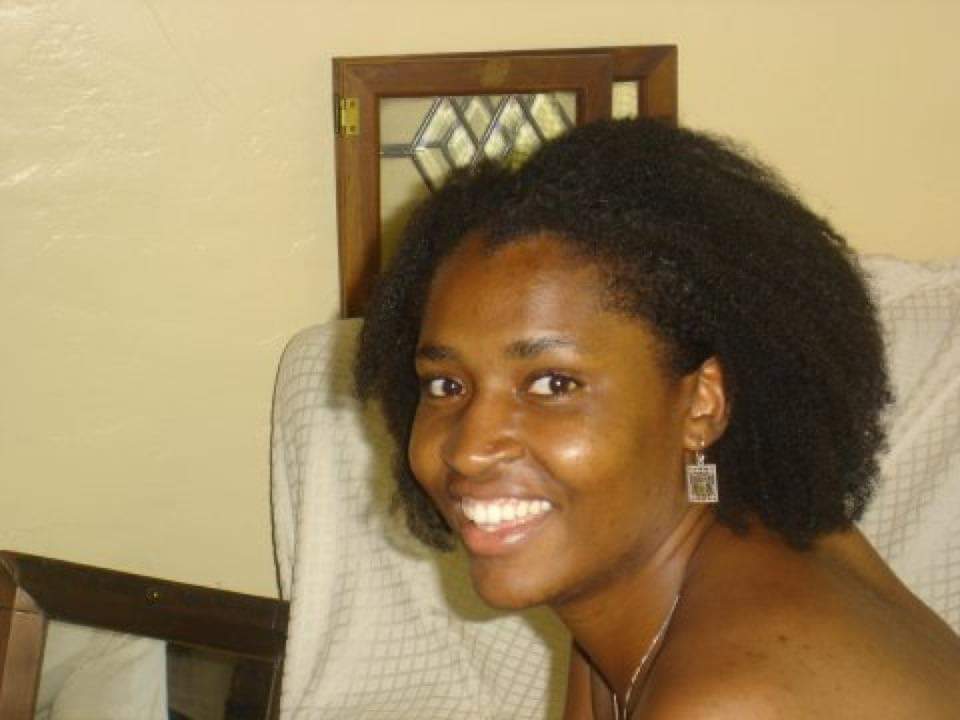
Earlier years — the becoming
The women I work with are not broken. They are not lost. They are, almost without exception, operating at a level most people around them cannot fully perceive. What they are navigating is the particular complexity of having built something real while simultaneously becoming someone they haven't fully introduced themselves to yet.
That introduction is the work.
Not dismantling what exists. Not retreating from the visibility or the ambition or the rooms that took years to enter. But learning to move through all of it with more of yourself present. More of the life beneath the life in conversation with the life above it.
The cost of the split compounds. Quietly. Over years. Until one day the exterior life is immaculate and the interior one has gone very still.
Sainté exists, in part, because I believe that stillness deserves attention before it becomes absence. Not as crisis. Not as confession. But as the kind of honest, unhurried examination that a life of real substance requires.
You have built something. That is not the question.
The question is: are you living in it?
And if not — not yet, not fully — what would it take to close the distance?
That is not a coaching question. It is a life question. And it is worth sitting with longer than your schedule currently allows.
Issue One. Essay II.
— Aurèlin Sainté Lys