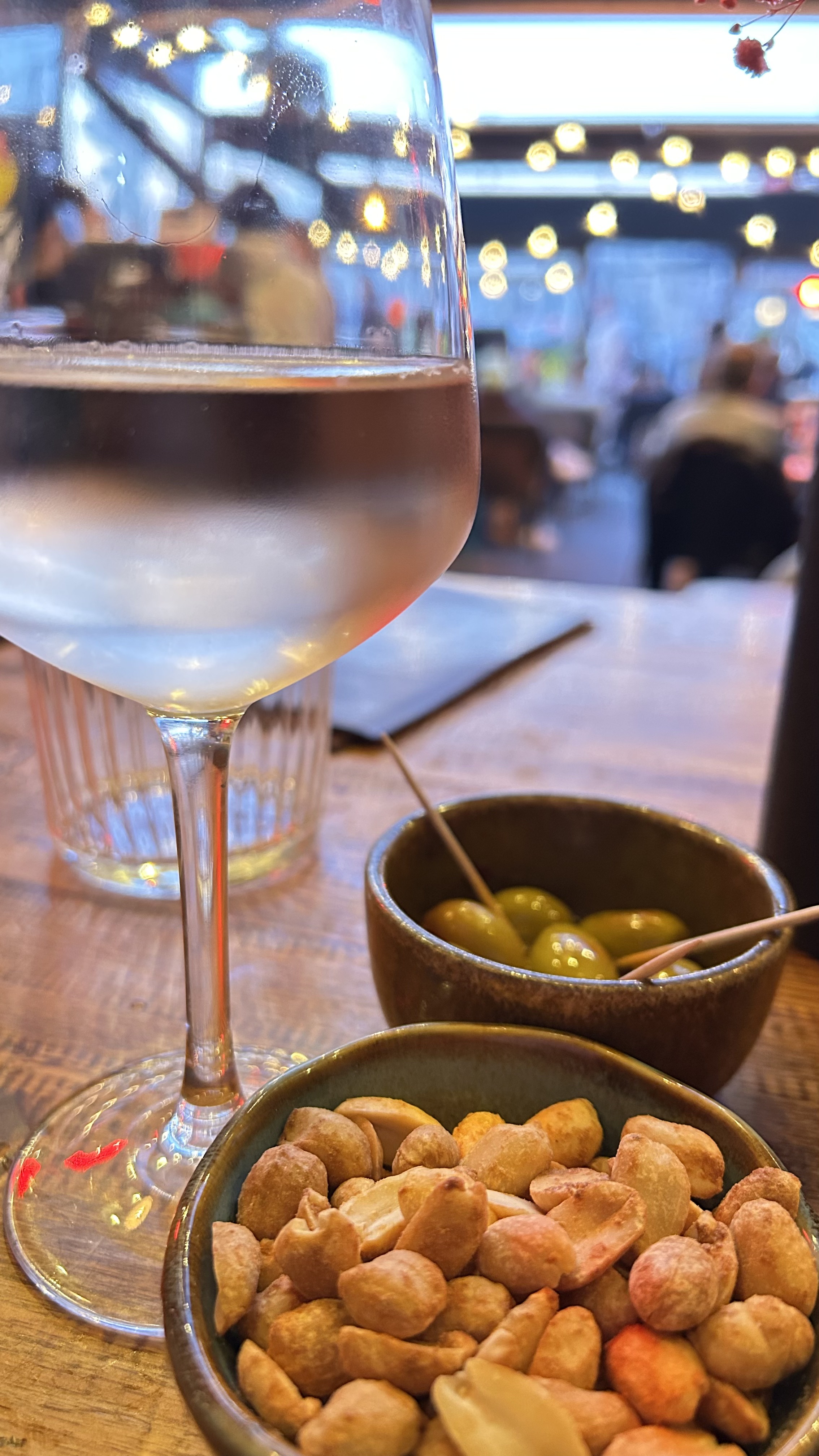
The coffee first. Always. Not because I need it — though I do — but because the ritual of it is the first decision of the day that belongs entirely to me.
The weight of the cup. The particular quality of morning light through whatever window I am near. The refusal to look at a screen before this is finished. This is not productivity. This is sovereignty.
I have been in enough rooms, across enough time zones, in enough cities that don't know my name, to understand that how you begin a day is a statement of intent. Not to anyone else. To yourself. The first hour is a negotiation between the person you are and the person the day will try to make you.
I take that negotiation seriously.
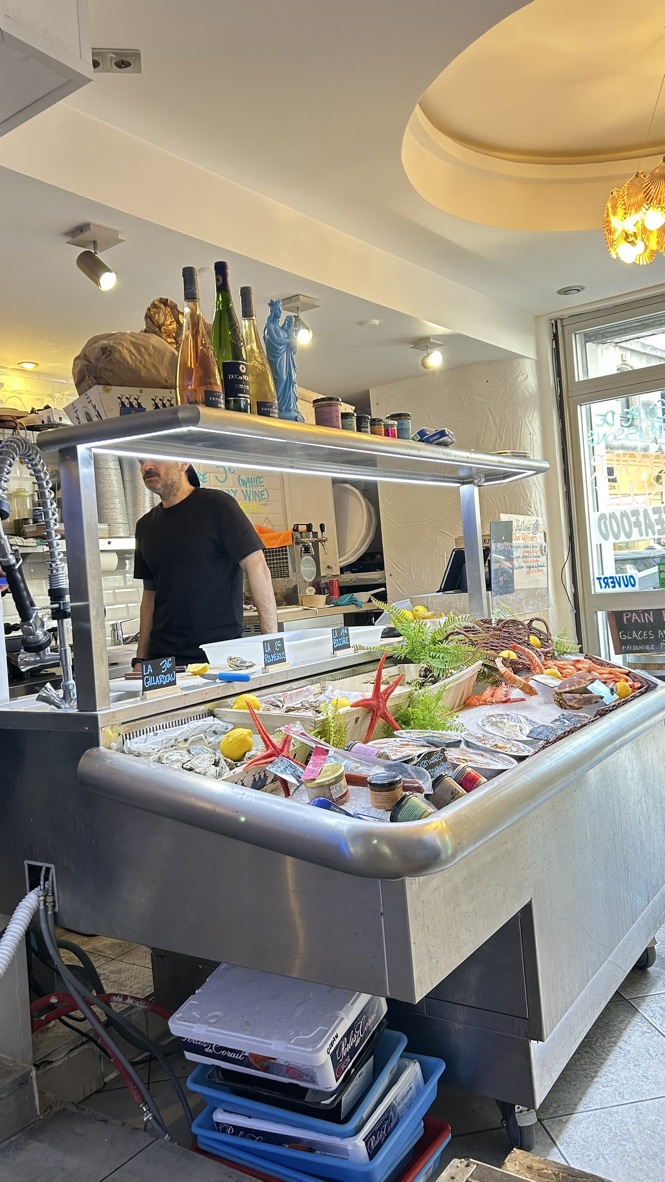
The market on Cours Julien was still setting up when I arrived — vendors unwrapping cheese, arranging olives with the particular care of people who understand that presentation is not vanity, it is respect. I bought things I didn't need. A bunch of herbs that made my hands smell like the south of France for hours afterward. A jar of something I couldn't fully read the label on but trusted anyway.
This is also a form of intelligence.
The willingness to be in a place without a plan. To let the market decide what you're having for lunch. To trust your nose over your itinerary.
I ate standing up, outside, in the cold, and it was one of the finest meals of that year.
Marseille, France — 2026
There is a woman I know — a founder, a serious one, the kind who has restructured industries without anyone fully understanding it was happening — who told me once that she schedules one hour every day that she calls "useless time."
No agenda. No output. No optimization.
She sits. She reads something unrelated to her work. She walks without destination. She looks out the window.
"It's where I do my best thinking," she said. "The board doesn't know it's on the calendar."
I have thought about that conversation many times since. Because what she was describing — what she had the authority and the self-knowledge to protect — was not laziness. It was the condition under which her deepest intelligence operated. The fallow period that makes the harvest possible.
Most of the women I work with have optimized that hour away. They are paying for it in ways they haven't yet fully named.
An exquisite day is not an expensive one. Though it can be. It is a precise one.
It is a day in which you have made enough deliberate choices — about what enters your body, your space, your attention, your conversation — that by evening there is a sense of having actually lived the hours rather than managed them.
This is harder than it sounds. The world is designed to fill your attention before you have decided what it's for. The notifications, the requests, the ambient urgency of other people's timelines pressing against yours.
The exquisite day requires resistance. Not the loud kind. The quiet, consistent, almost boring kind. The decision to finish the coffee before looking at the phone. To eat the real lunch instead of the desk lunch. To take the longer route because it passes something beautiful. To end the conversation when it is still good rather than running it to exhaustion.
Small decisions. Repeated daily. Until they become the architecture of a life.
South of France — olive trees, pale light, Tuesday afternoon
Outside my window: olive trees, pale light, the particular silence of a Tuesday afternoon in a place where Tuesday afternoons are taken seriously.
I made bread this morning. Not because I had to. Because the process of it — the weight of the dough, the patience it demands, the way the kitchen smells afterward — returns me to myself in a way that no meditation app has ever managed.
This is what I mean by the examined life. Not the analyzed life. Not the optimized life. The life that is tasted. Attended to. Held with the same quality of attention you would give to anything you considered precious.
Because here is what I have learned, in the rooms and at the tables and in the markets and in the quiet Tuesday afternoons:
The women who lead most powerfully are not the ones who have sacrificed the most. They are the ones who have learned to live most fully — and who bring that fullness into everything they do.
Pleasure is not the reward for the work. It is the condition under which the best work becomes possible.
An ordinary day, done exquisitely, is not indulgence.
It is preparation.
Issue One. Field Notes.
— Aurèlin Sainté Lys
South of France, 2026