Some things cannot be explained.
Only recognized.
French Riviera · Paris · Marbella · New York
This is a house.
Not a platform. Not a firm.
A house.
Each room holds something made with care — with the particular discernment of people who have lived enough to know the difference between what looks beautiful and what is beautiful. Move through at your own pace.
Grown & Bottled.
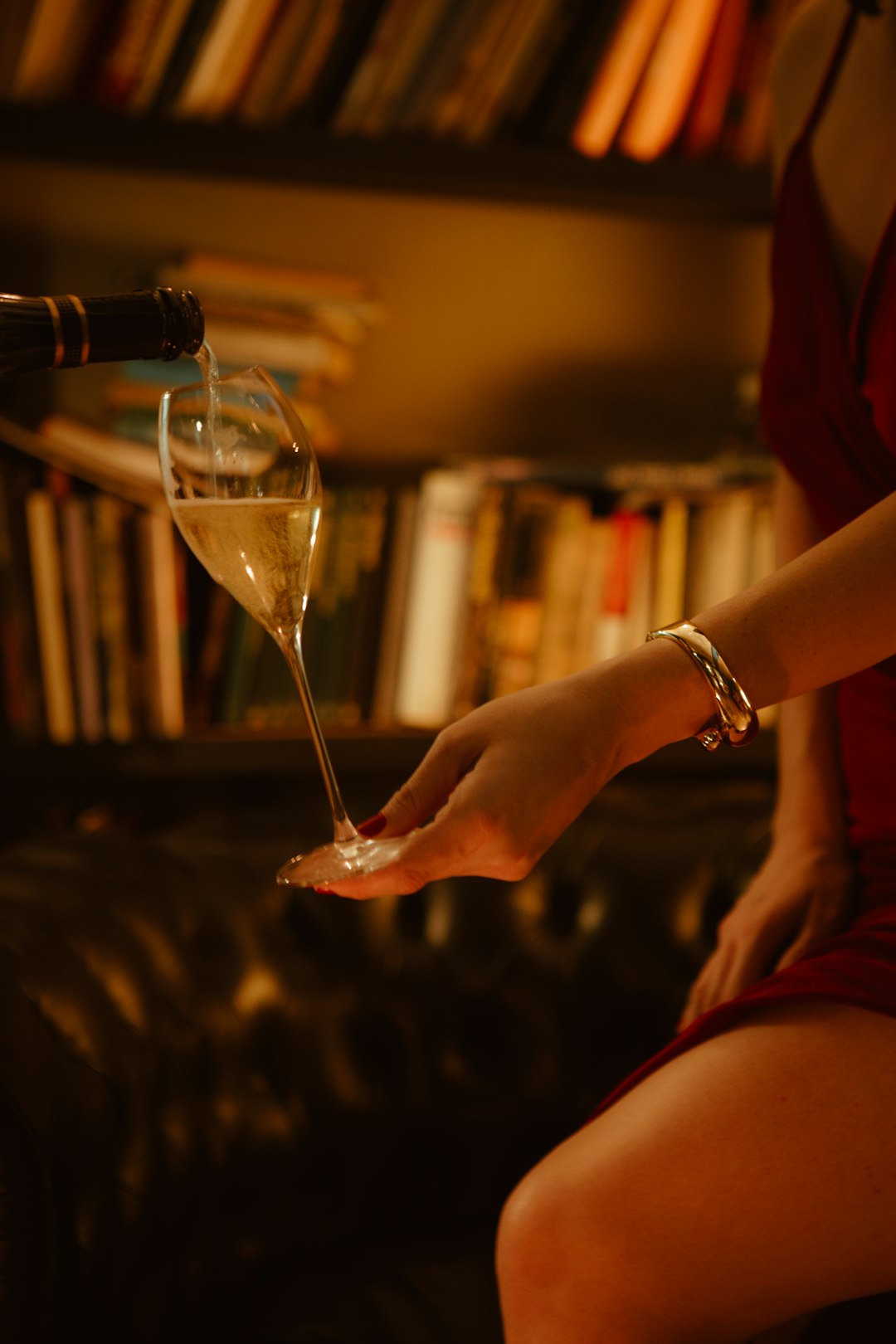
A ginger shrub. A spiced honey. A hot sauce. Three provisions grown from years at the table, tasted first before they were ever put in a jar. Now tasted together — at The Tasting Table and The Social Club.
Hard to find.
Until now.
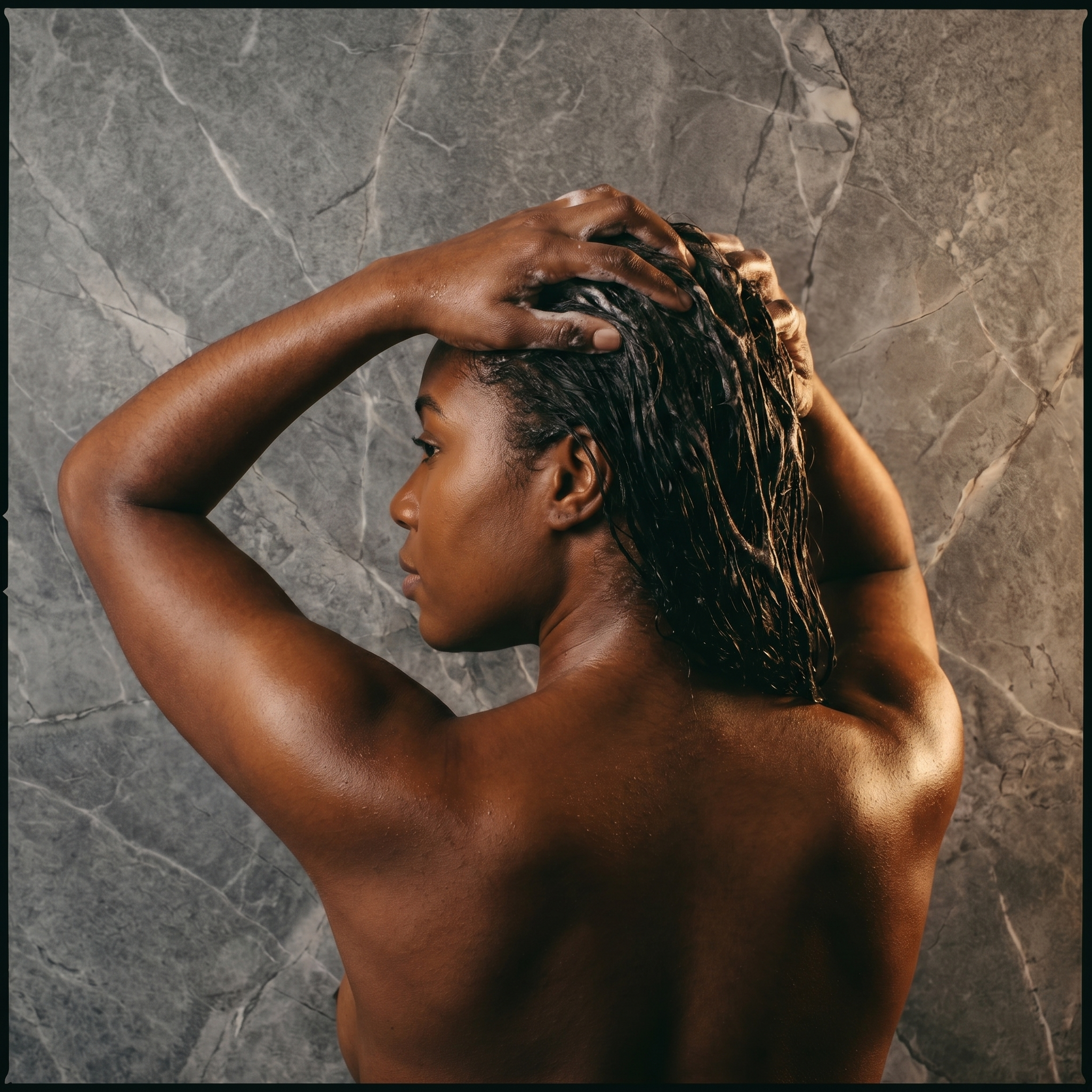
The one who knows your hair the way a good tailor knows a shoulder. Who holds the appointment like a conversation worth having. Who sees you — actually sees you — and works from that. They exist. We found them. Now so can you.
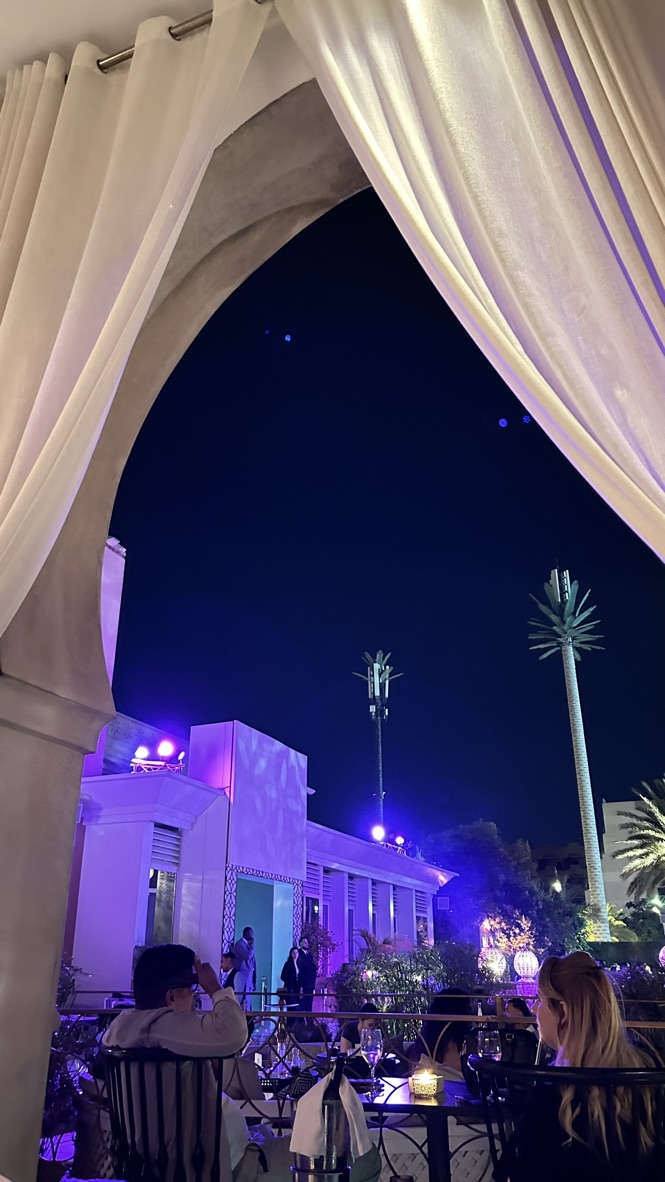
What it means to receive, not perform. What it costs to want out loud. And what becomes possible when pleasure stops apologizing for itself.
Next issue
Yield — publishing September 21
Read the Magazine
For the one
in the room.
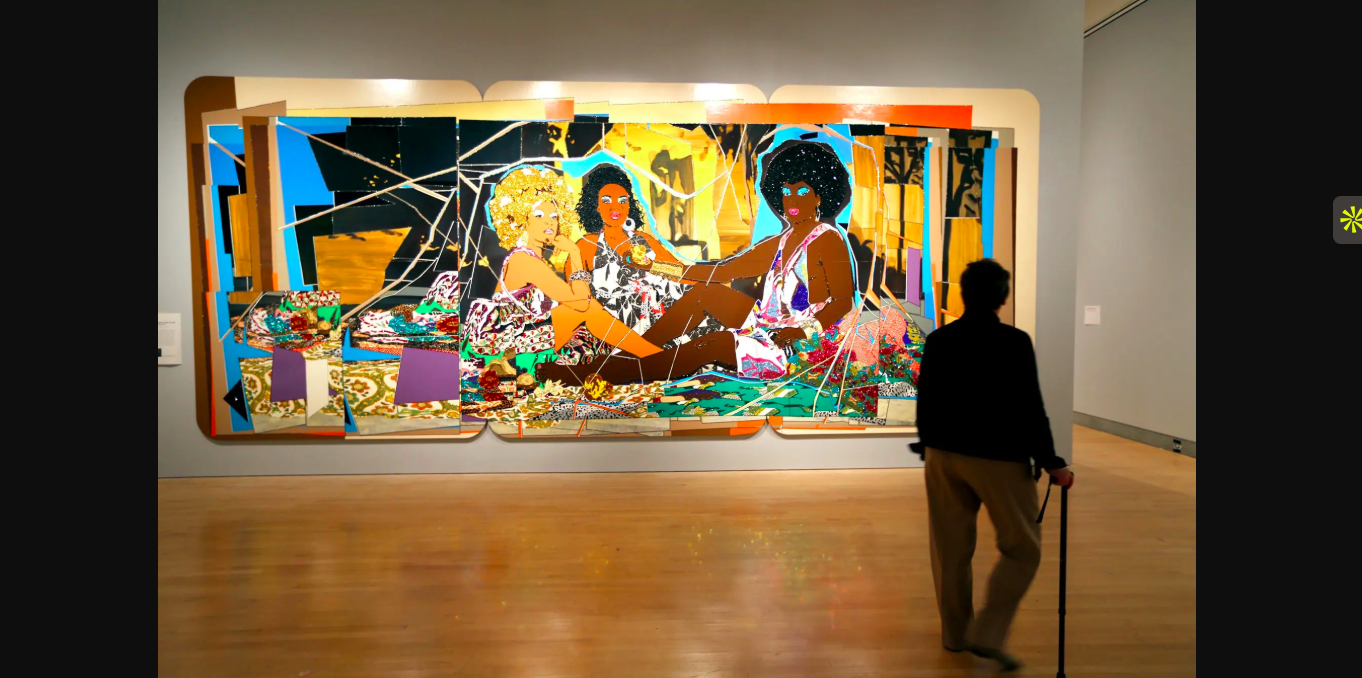
Private advisory for leaders navigating power, consequence, and identity at the level where the decisions are real and the stakes match. A small number of engagements, held with complete attention by someone who has been exactly where you are.
This house holds my story too.
I have done my own medicine journeys. I have changed careers and excelled at each one — four times over. I trained as a dancer before I ever sat in a boardroom, and learned to read a room through the body before I learned to read it through strategy.
I have been underestimated while exerting real influence — inside rooms at Goldman Sachs, the Obama Foundation, the United Nations — and left having shaped something, quietly, without needing the credit. I know what it costs to carry visible courage and keep moving with it anyway.
I have been in power rooms. But not, until recently, in the center of my own power.
This house is what happens when that stops being camouflage and starts being visible authority. Haitian. Bajan. Brooklyn born. Built across the South of France, North Africa, and back again.
Not confusion. Arrival at the real question.
This house was built for that part of my life — and for the women ready to meet me there.We are not hard to find.
We are simply worth seeking.
Two women. Built without a net. Discernment earned on the streets, in the rooms, at the tables where real things are decided. We are building something that has not existed before — a cultural house where beauty is treated as intelligence, taste is earned not signaled, and the work is as serious as the table is beautifully set.