Objects
& Reading
Issue 01 · Power
Beauty as discipline requires a vocabulary. These are the things we return to — the objects, texts, and rituals that clarify how we think about power, presence, and the art of a considered life. Not reviews. Not recommendations. Meditations on why something matters.
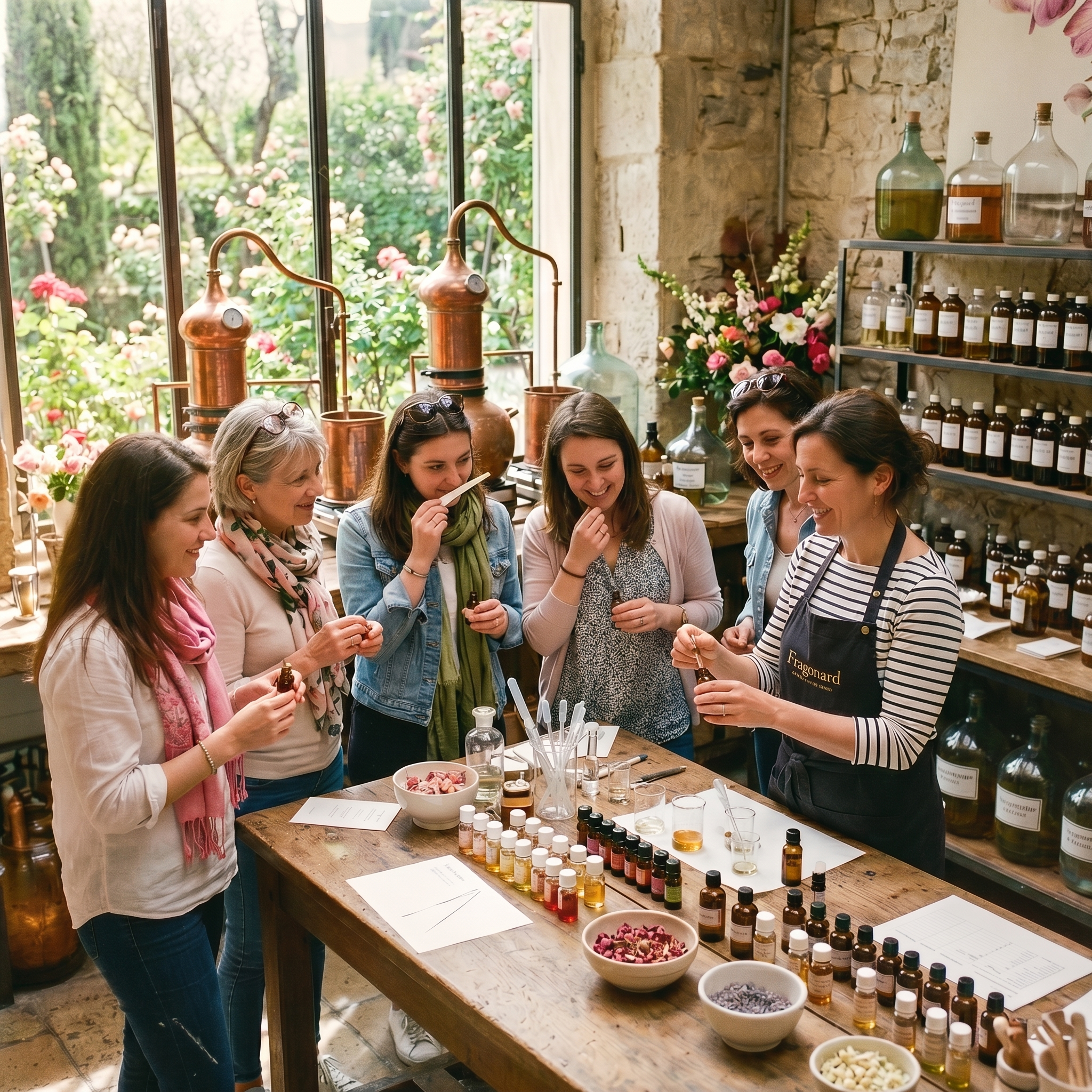
Grasse, Alpes-Maritimes · The perfume capital of the world · Photograph taken on location
The Town That Decided Beauty Was Serious Work
Grasse, France
Alpes-Maritimes
Since the 16th century
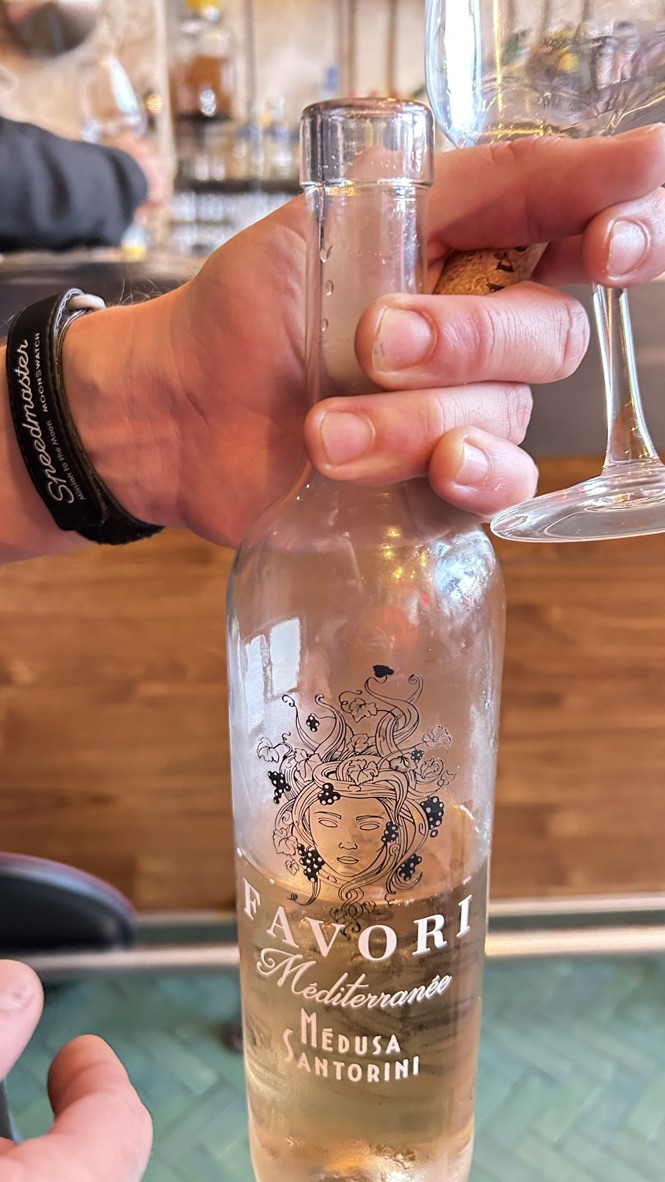
Favori Méditerranée
Medusa · Santorini
There is a town in the south of France where they have been taking beauty seriously for five hundred years. Not beauty as vanity. Not beauty as performance. Beauty as precision — as argument — as a thing worth giving your whole life to. Grasse sits above the Côte d'Azur on a hillside that catches the sun at the right angle to grow jasmine, rose de mai, and tuberose in a concentration you cannot replicate anywhere else on earth. The perfumers here have always known something that the rest of the world is still catching up to: that fragrance is not decoration. It is memory made portable. It is a form of authority that arrives before you do and lingers after you leave.
What strikes me about Grasse is not the perfume itself — though standing inside a distillery in May, when the roses are in harvest, is one of those experiences that restructures your understanding of what a sense is capable of — it is the seriousness with which the craft is held. Apprentices train for years to distinguish between two hundred and fifty raw materials by nose alone. Families pass the work down across generations. The most renowned houses guard their formulas not because the formula is the point, but because the point is the discipline it took to arrive there.
A hair fragrance is not a luxury item in this context. It is a daily decision about how you will arrive. What you will say before you speak. What you will leave in a room after you have gone. Diptyque's Philosykos — fig leaf, fig milk, fig wood — is named for "friend of the fig tree." It is Mediterranean in origin, unhurried in character, and it belongs on the warmest surface of the body, the one that holds scent longest. Not perfume as signal. Perfume as disposition.
We drank a Favori Méditerranée the same afternoon — a Santorini rosé with Medusa on the bottle, which felt correct. The island makes wine from grapes grown in volcanic soil, in conditions that shouldn't work but do, which is another way of saying: beauty that comes from difficulty, held with discipline, poured without apology. The table understood. We did not need to say anything about it.
In a town that has been practicing this for five centuries, that daily decision — what you wear, what you pour, what you offer the people beside you — is understood to be among the most consequential a person makes. Beauty, they would tell you here, is not something you apply. It is something you become fluent in.
Grasse is not a destination. It is a proof of concept — that a discipline built around sensory intelligence, passed down with rigor, and practiced without apology can become the foundation of an entire culture. That is the argument Sainté is making. That is what beauty as discipline means.