The One Who
Makes Room
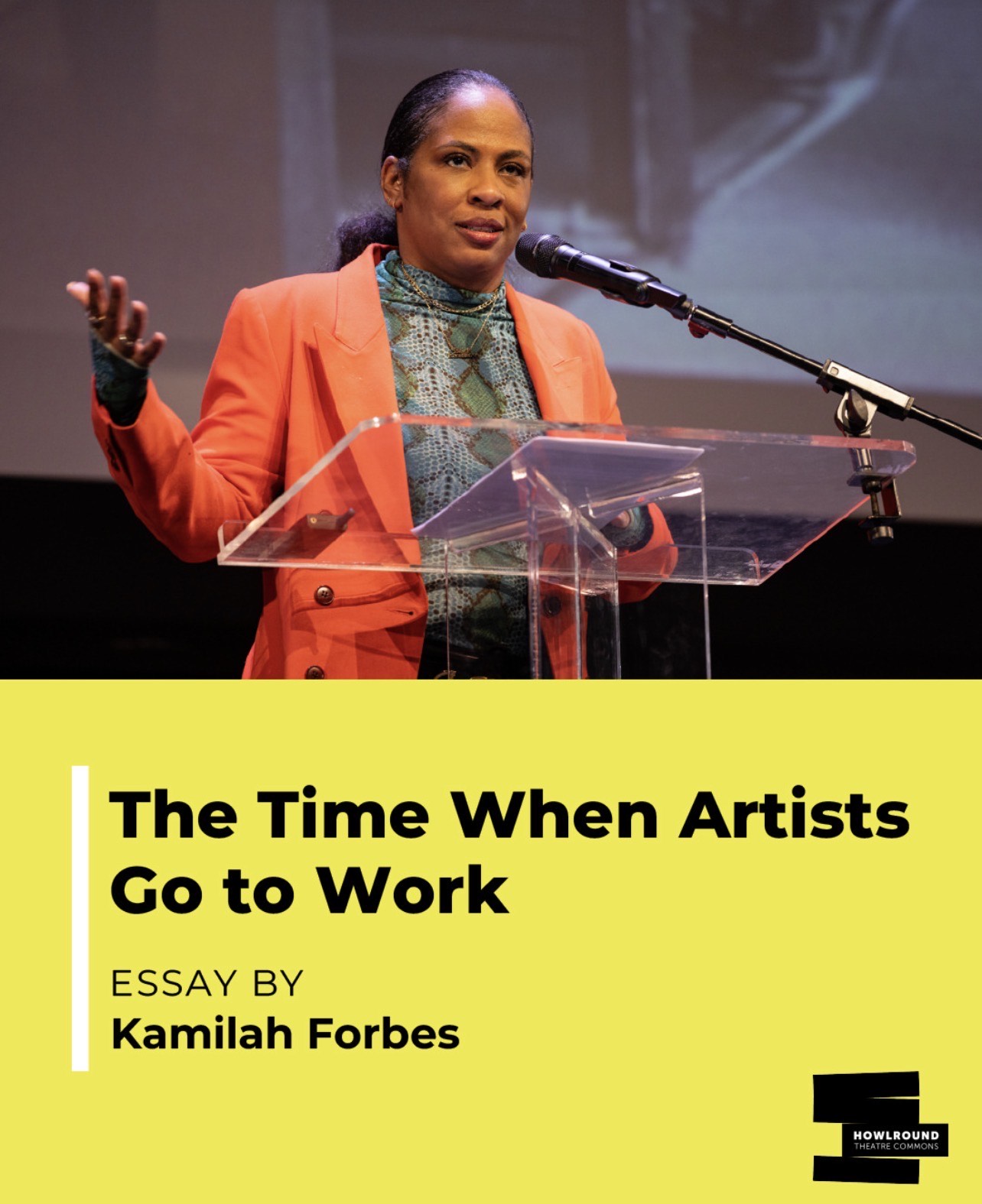
On Kamilah Forbes — a force of nature, and a quarter-century of building the stages where Black artistry gets to be seen whole
I have known Kamilah for a long time. Long before the Apollo, long before the awards, when she was artistic director of the Hip-Hop Theater Festival and our conversations were quiet and intimate — about art, about the body, about what it costs to make something true.
We talked, in those years, about her transformation from actor to director. About auditioning for roles other women had already made famous, and what it meant to stand in that doorway. I watched her decide, slowly and then certainly, that her gift was not only to be seen on a stage but to build the stage itself — to hold the room rather than only enter it. Some artists make the work. A rarer kind makes the room the work lives in. Kamilah, I came to understand, was both.
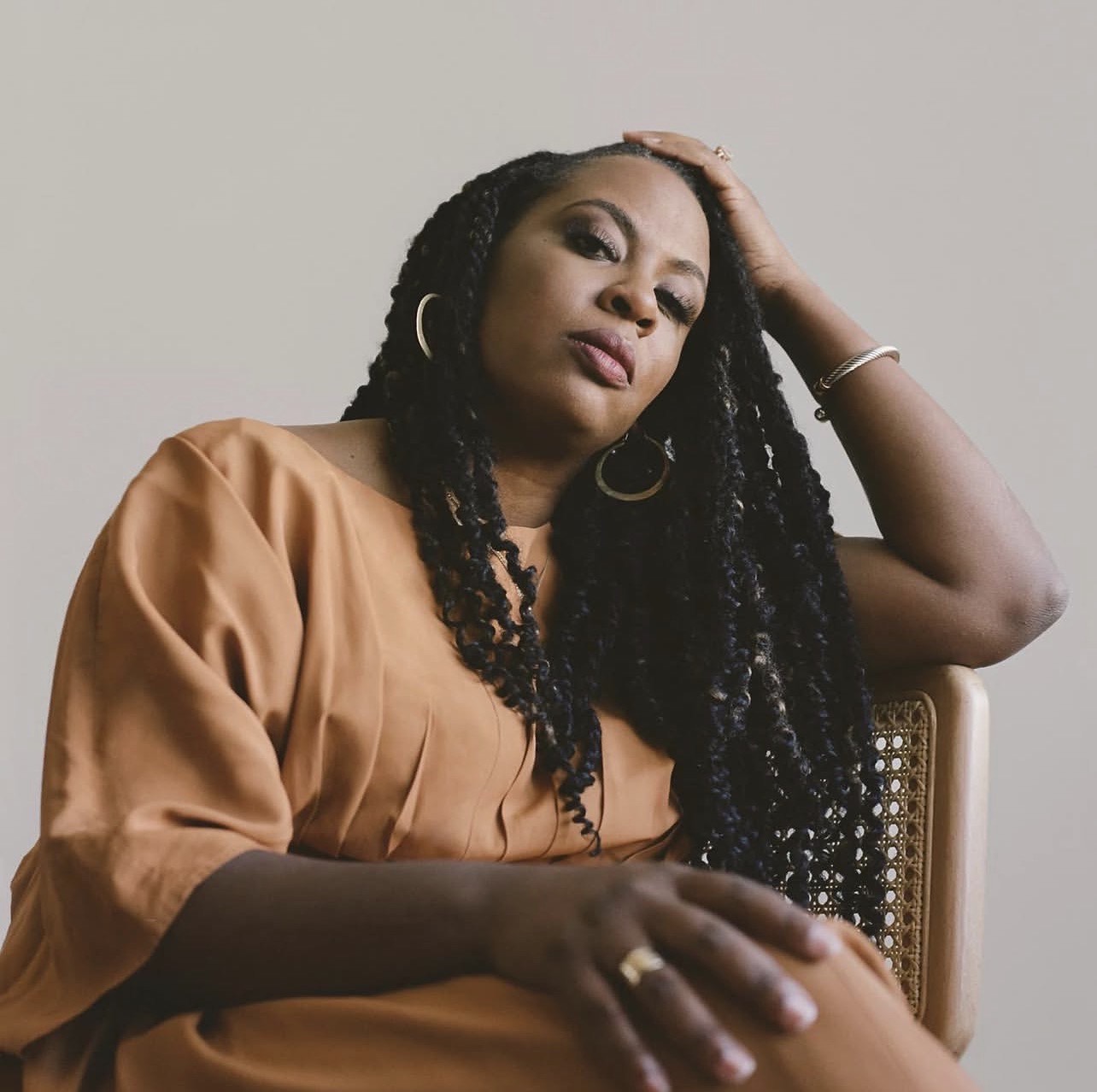
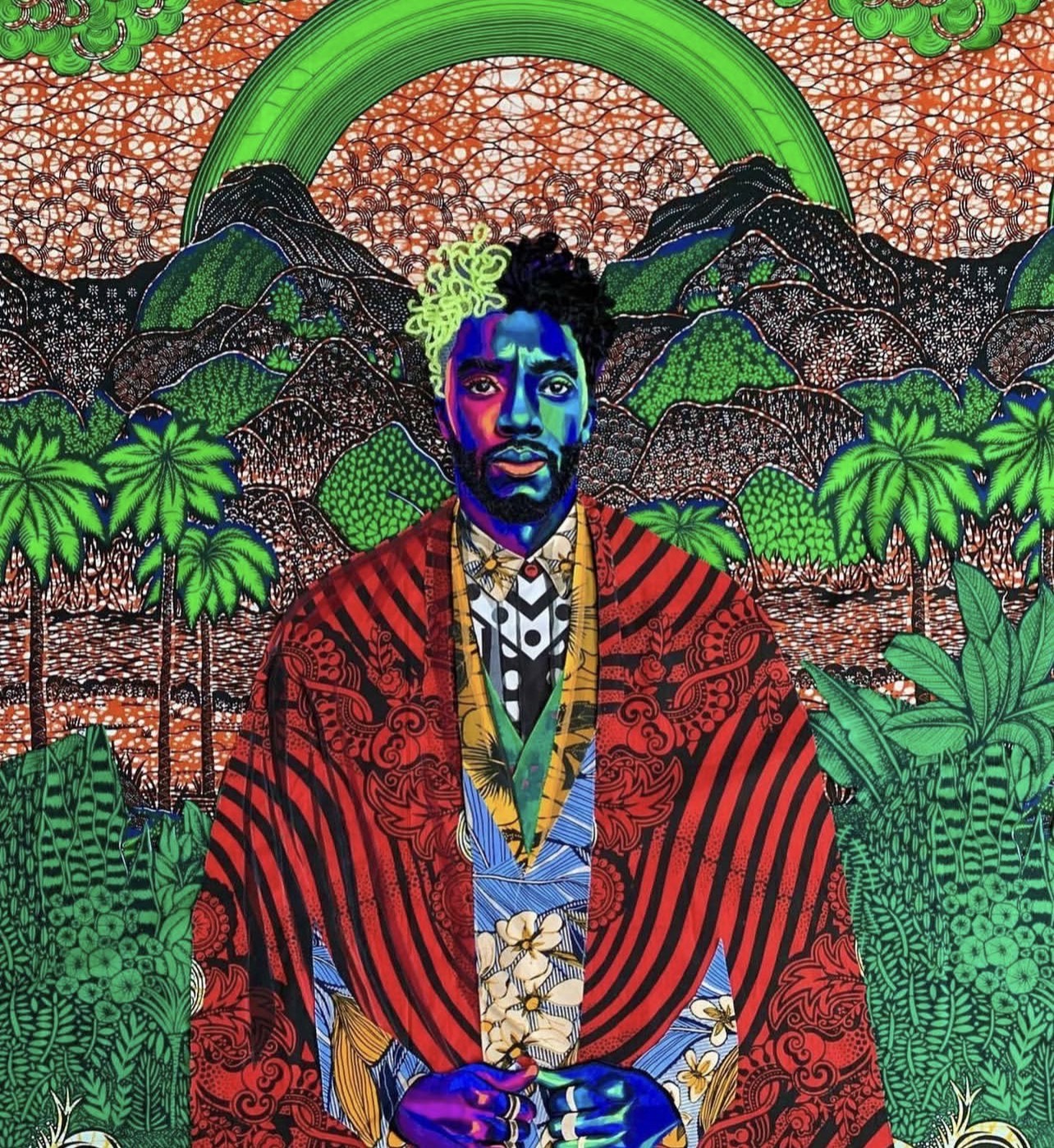
She came up at Howard intending to be a doctor and left a theater-maker, having found the collaborators — among them a young Chadwick Boseman — with whom she would begin writing about her own generation. By 2000 she had written and directed Rhyme Deferred and co-founded the Hip-Hop Theater Festival, sensing there was no established home for work made by and for the people she was actually living among. It traveled to New York, San Francisco, Washington, Chicago; it gathered the work of nearly a hundred artists; it became the nonprofit Hi-ARTS. She had formalized an art form while it was still alive and moving, without pinning it under glass.
I had the privilege of being on the other side of that gift. When she produced a show with a company I was directing, I sat with her as we brought artists together — and what I remember is not logistics but the talk. About food. About life. About expression, and how an audience is actually built, not assumed. About how people see, and how to make them see more. About the beauty of Brooklyn. She has always made room, even in a working meeting, for the whole of a person to show up. That is rarer than any credit on a marquee.
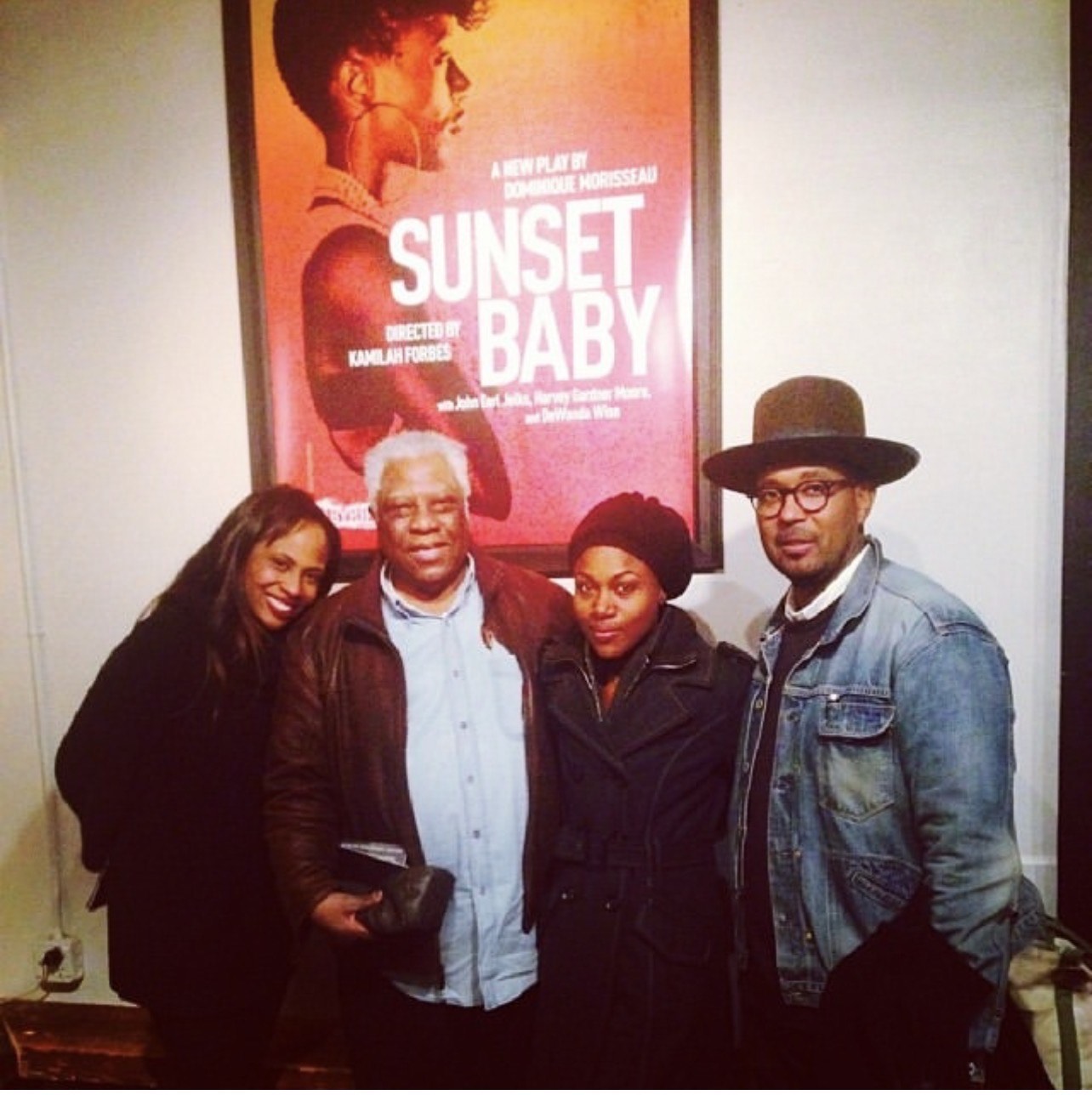
As a director she has kept extraordinary company and made it better — staging Lynn Nottage’s By the Way, Meet Vera Stark, Katori Hall’s The Blood Quilt, Dominique Morisseau’s Sunset Baby and Detroit ’67, and serving as associate director to Kenny Leon on the Tony-winning A Raisin in the Sun, on The Mountaintop, on Stick Fly, and on The Wiz Live! for NBC. For television she produced a celebrated season of Def Poetry and helped carry spoken word to a national audience. Always that same intersection she has worked her whole life — where Black narrative meets music meets the living voice.
“I’ve been honored to shape work and celebrate Black artistry in all its complexity and brilliance.Kamilah Forbes
I remember her early days at the Apollo — the strain of carving a home place inside an institution that size, the stress of entering that other landscape, the weight of what it asked of her. And then I remember watching her excel at it. This was before her beautiful daughter came along, before I watched her blossom inside a marriage that suits her, alongside a husband we all adore and who has been, from the beginning, one of her fiercest champions. To see a person rise in their work and in their life at the same time is not a thing you get to witness often. I got to witness it with her.
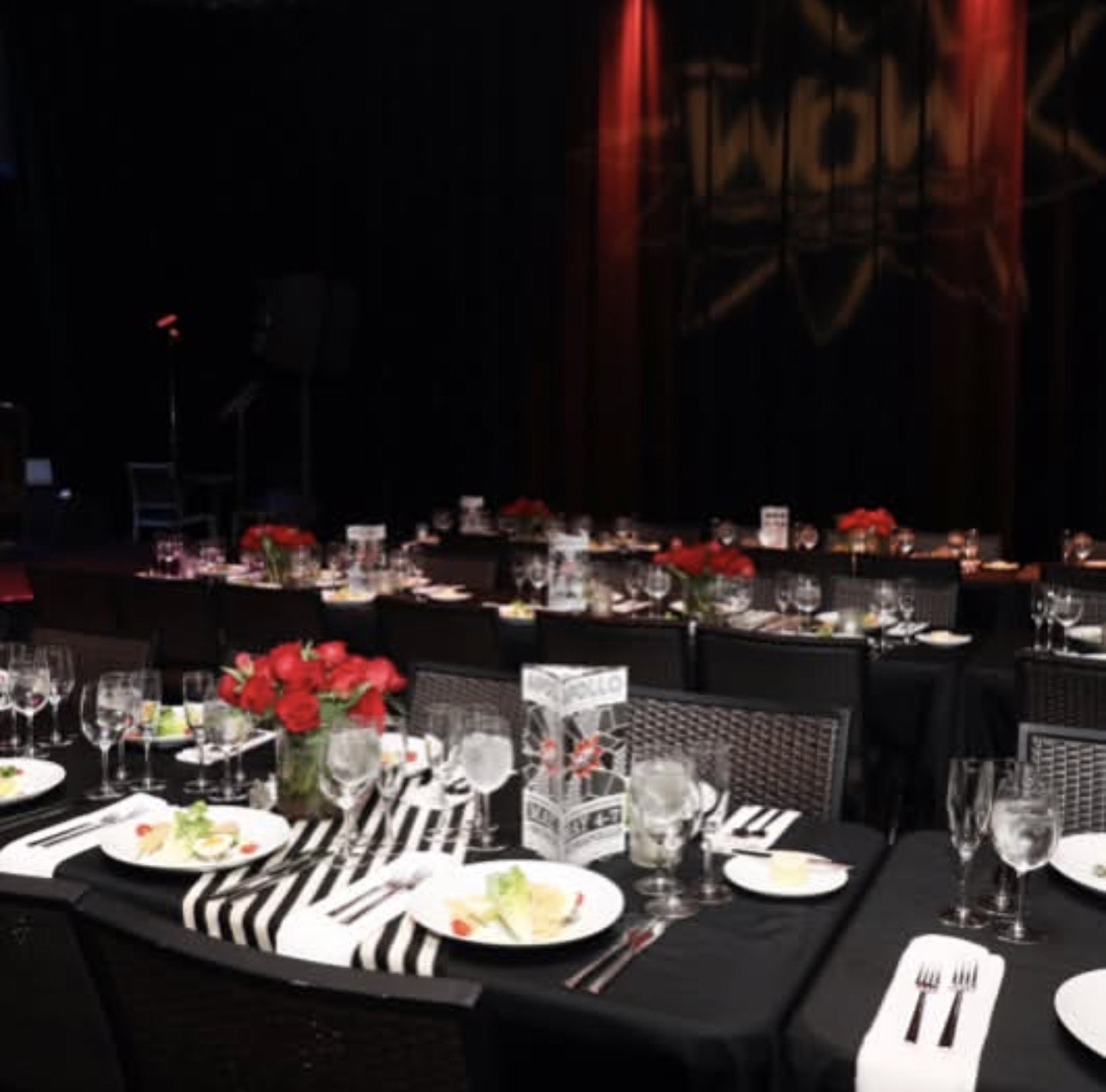
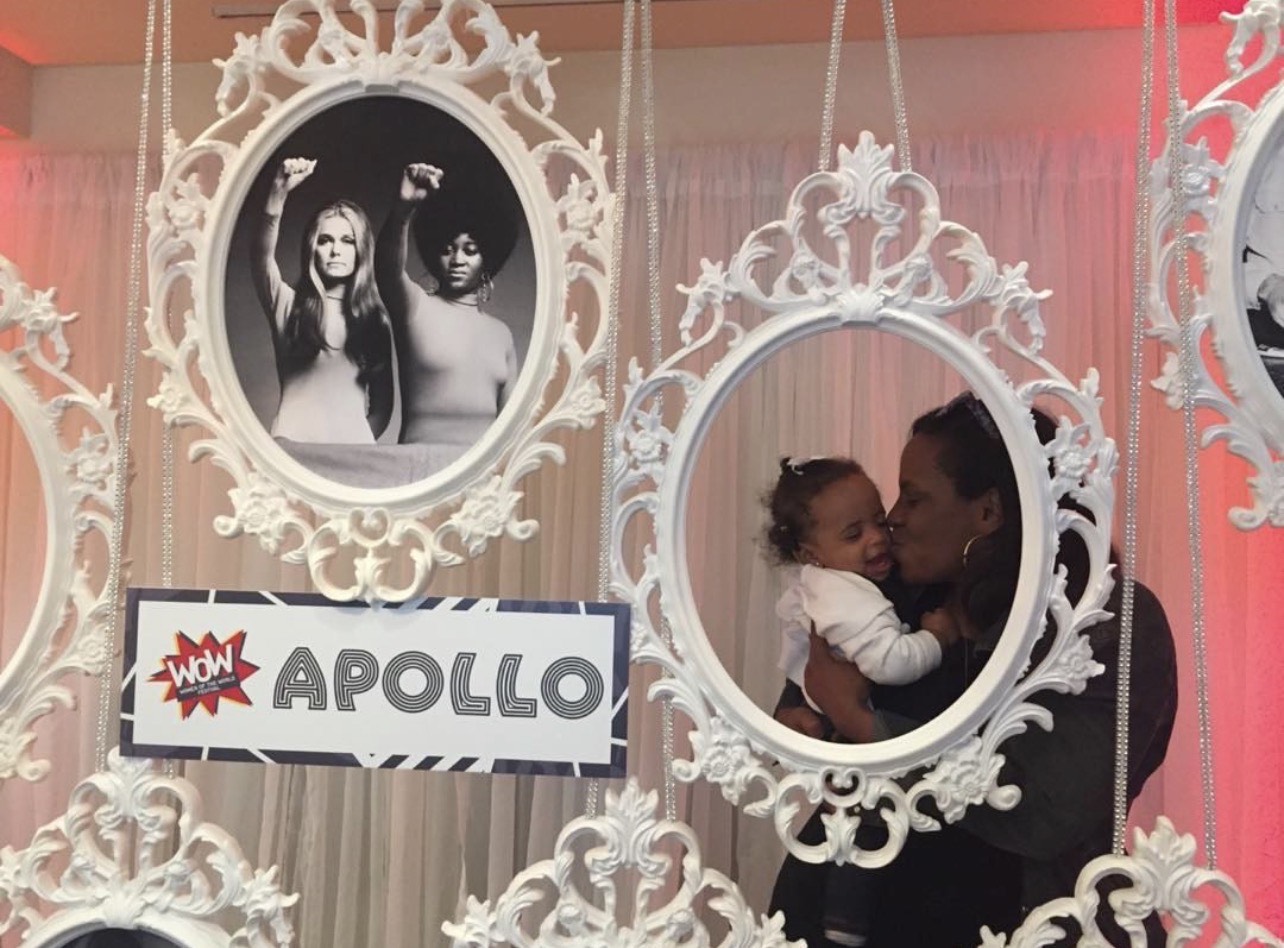
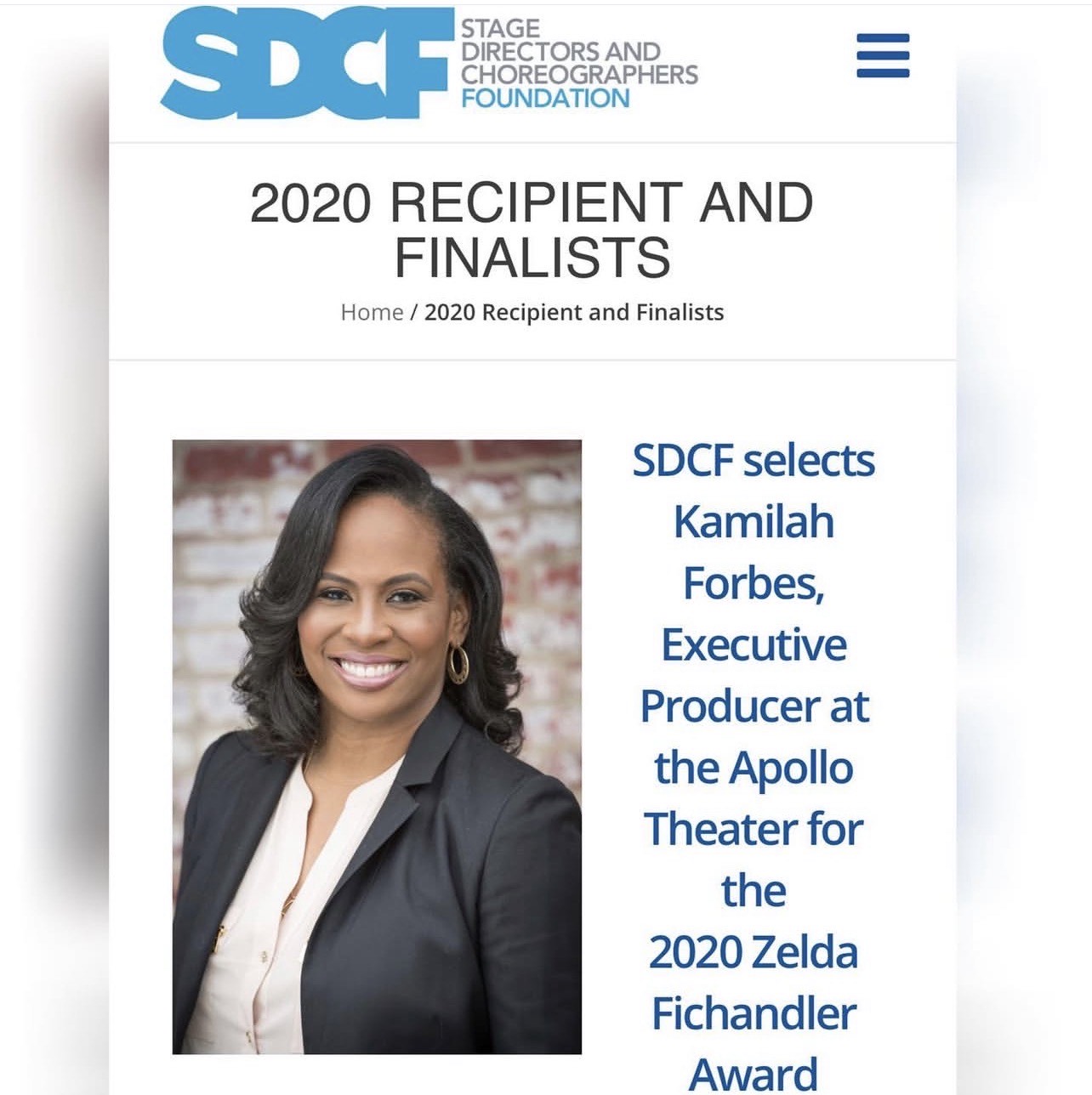
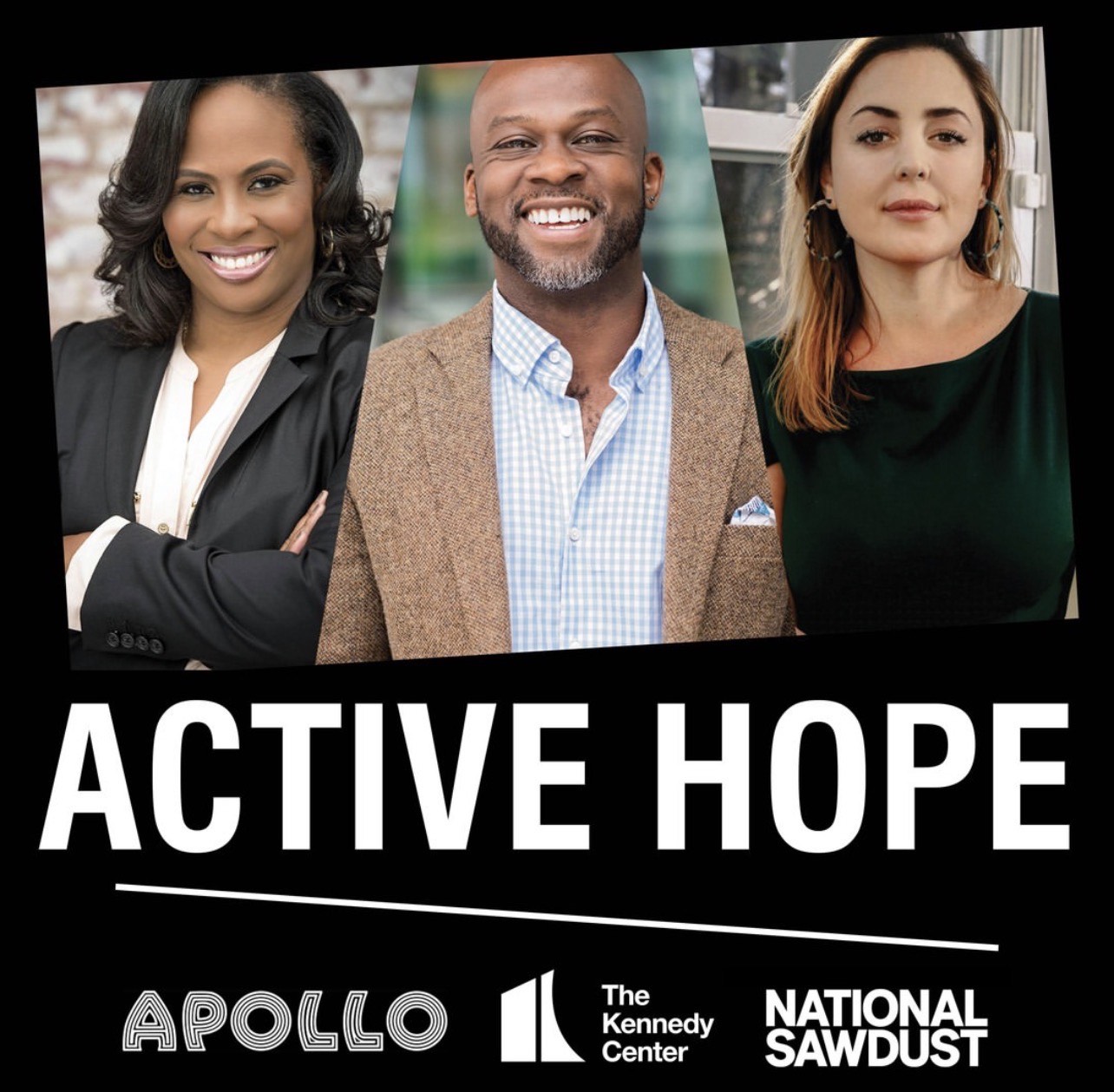
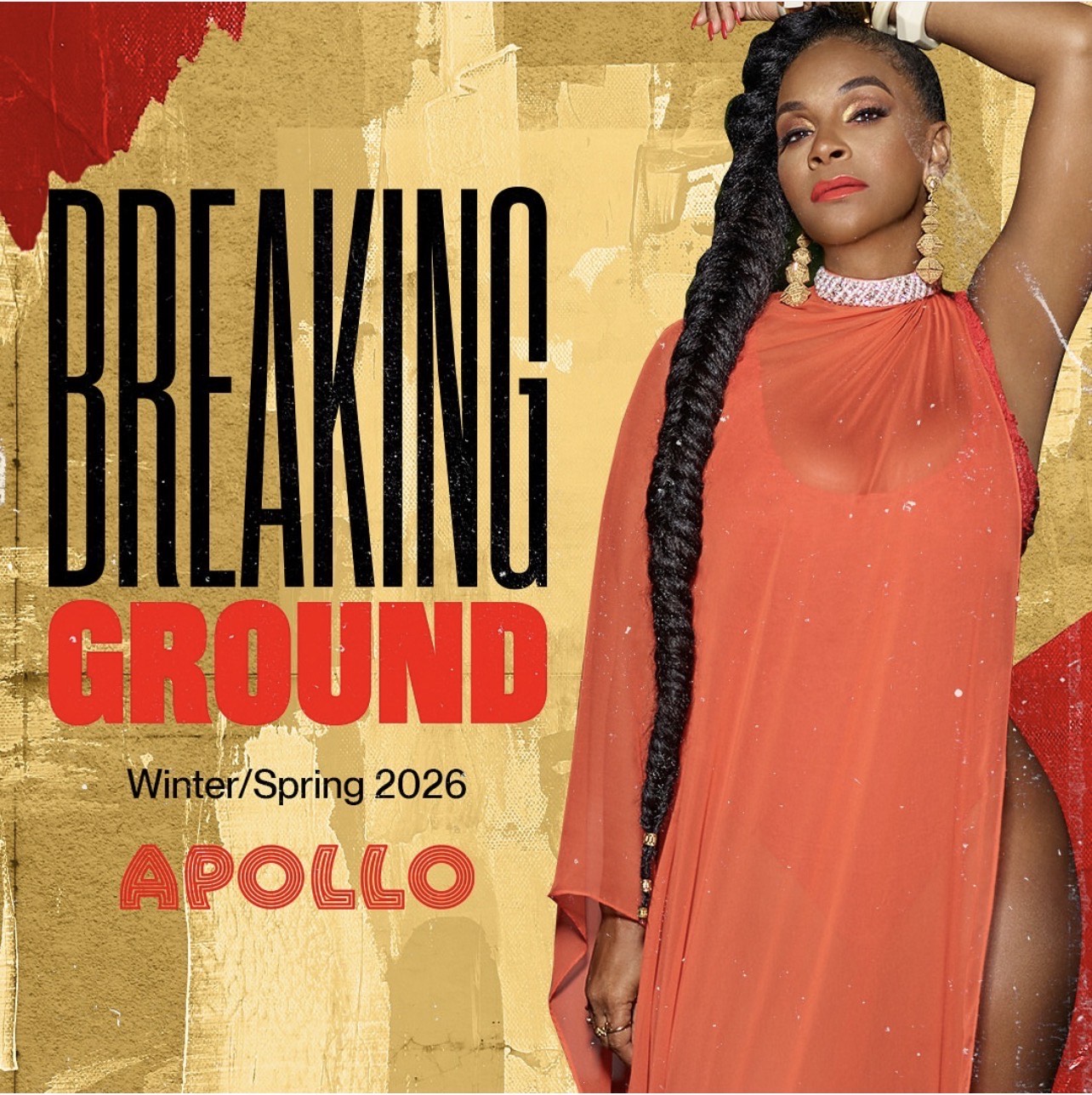
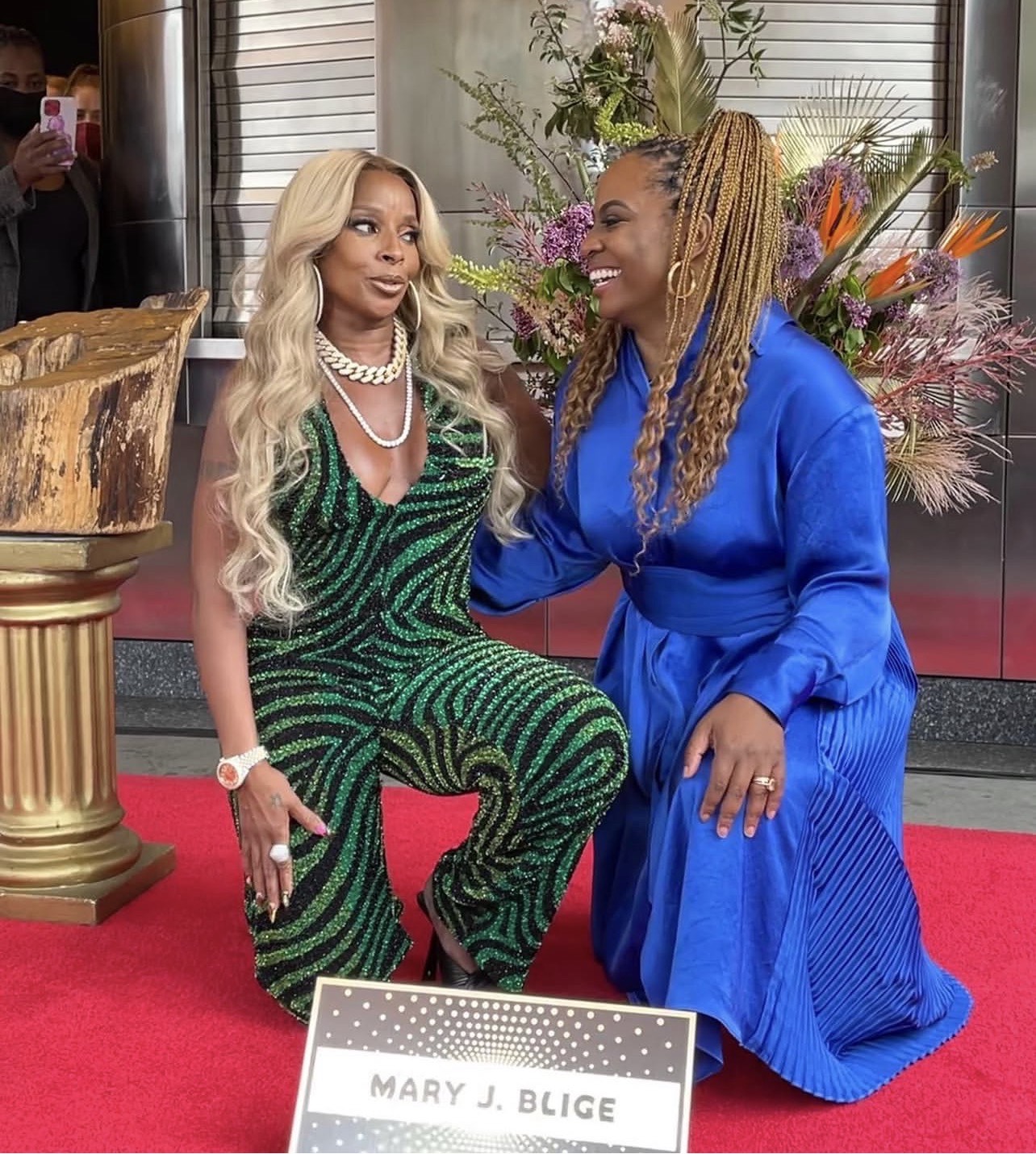
She has said she used to drive down 125th Street just to see the Apollo’s marquee in real life — hallowed ground, never somewhere she pictured running. As Executive Producer she refused to let it become a museum of itself; her conviction was that a sacred institution has to keep participating in the culture that is alive right now. So she built. More than forty new multidisciplinary works commissioned. Over ten full productions. A master artist-in-residence program. The Apollo Stages at the Victoria — real theaters, built for artists. She brought back the glory and the audiences both, and set the house among the world-class institutions where it always belonged.
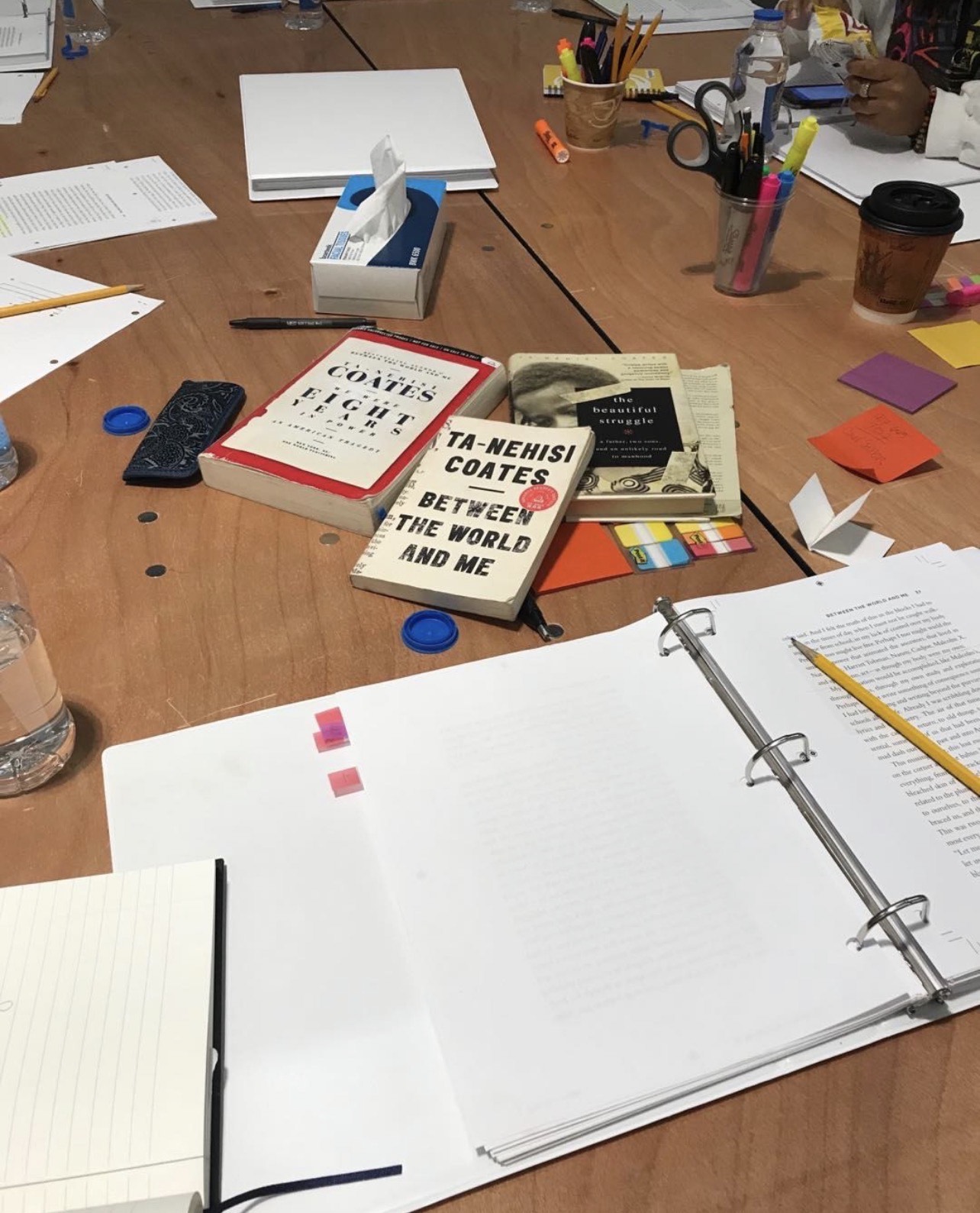
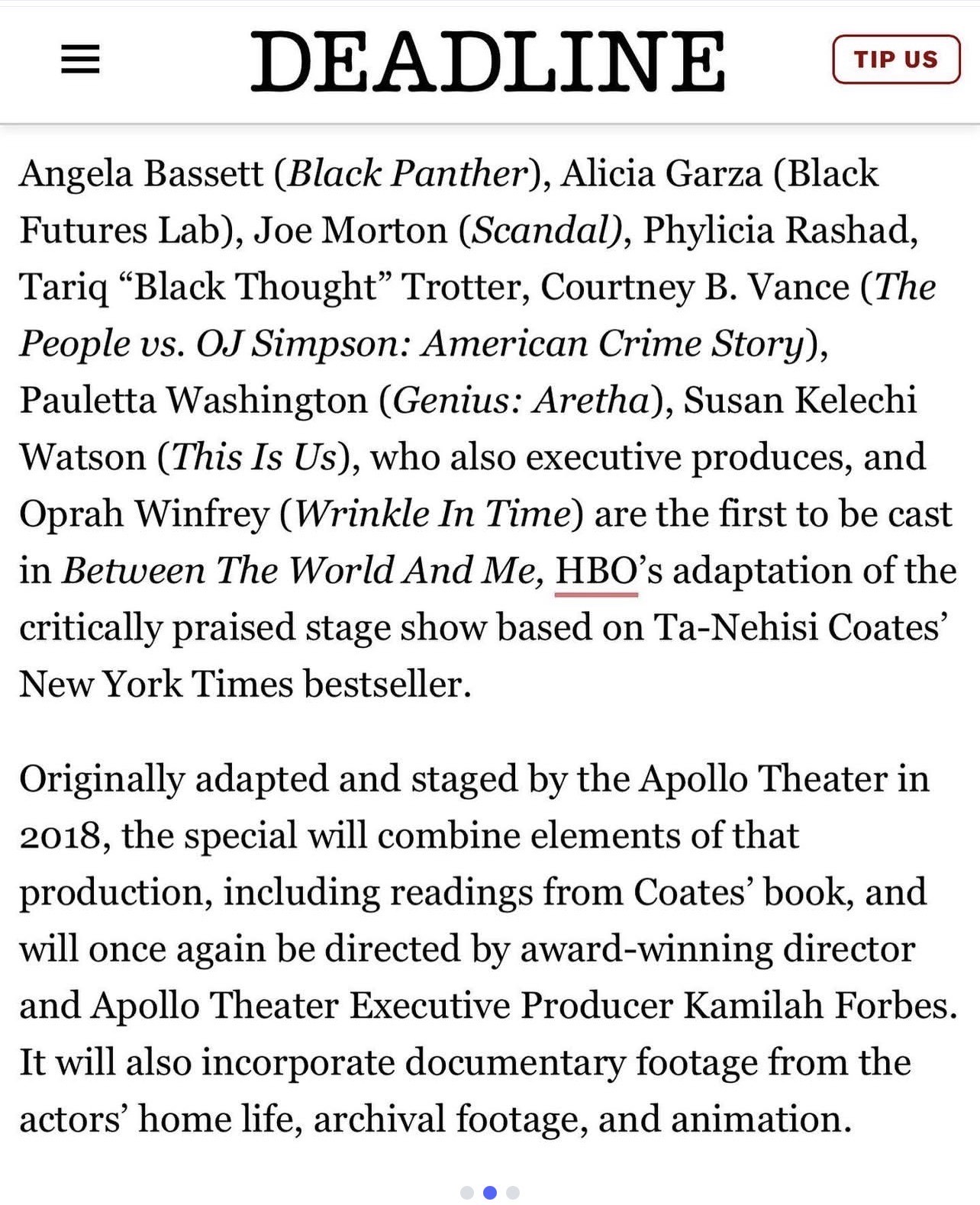
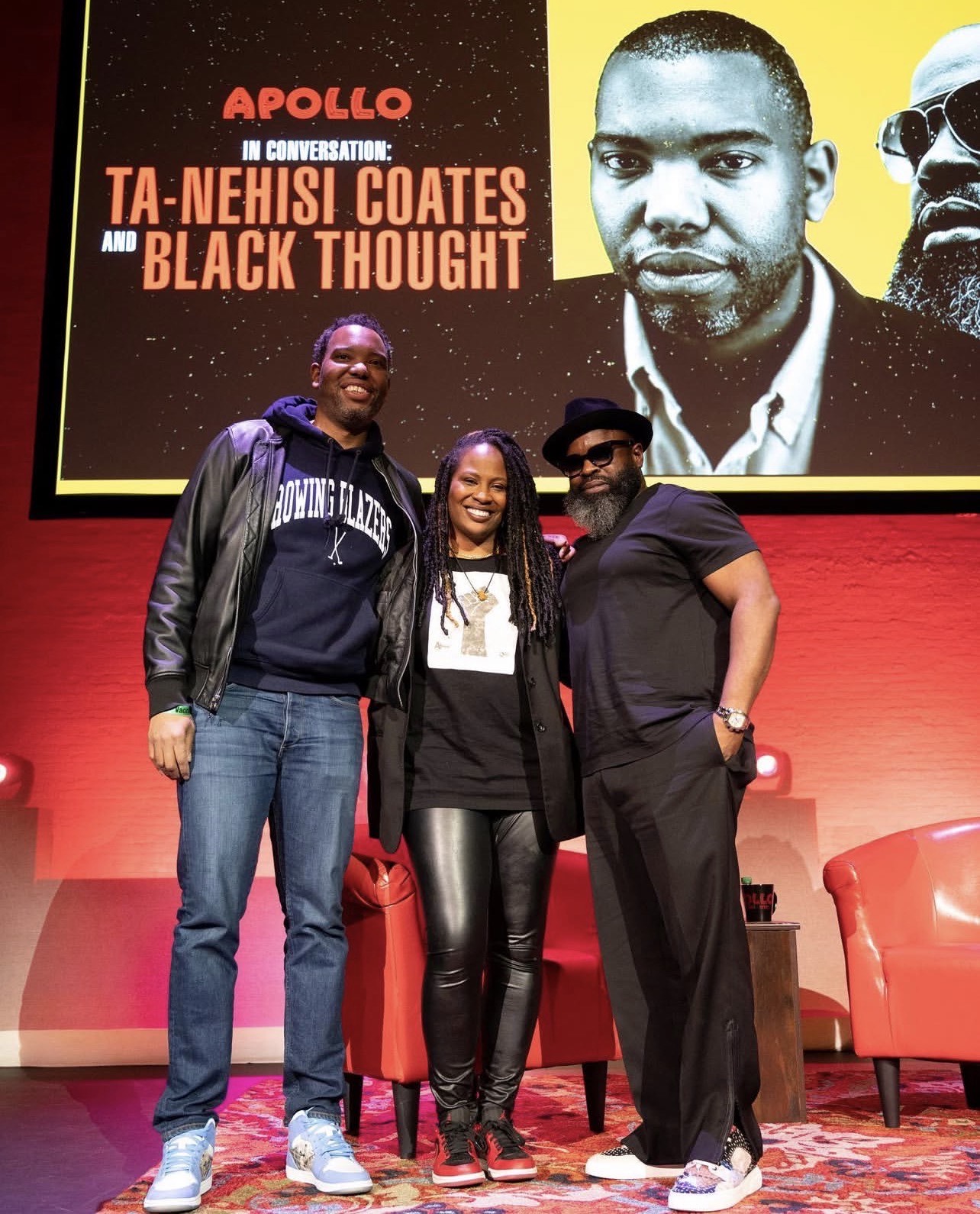
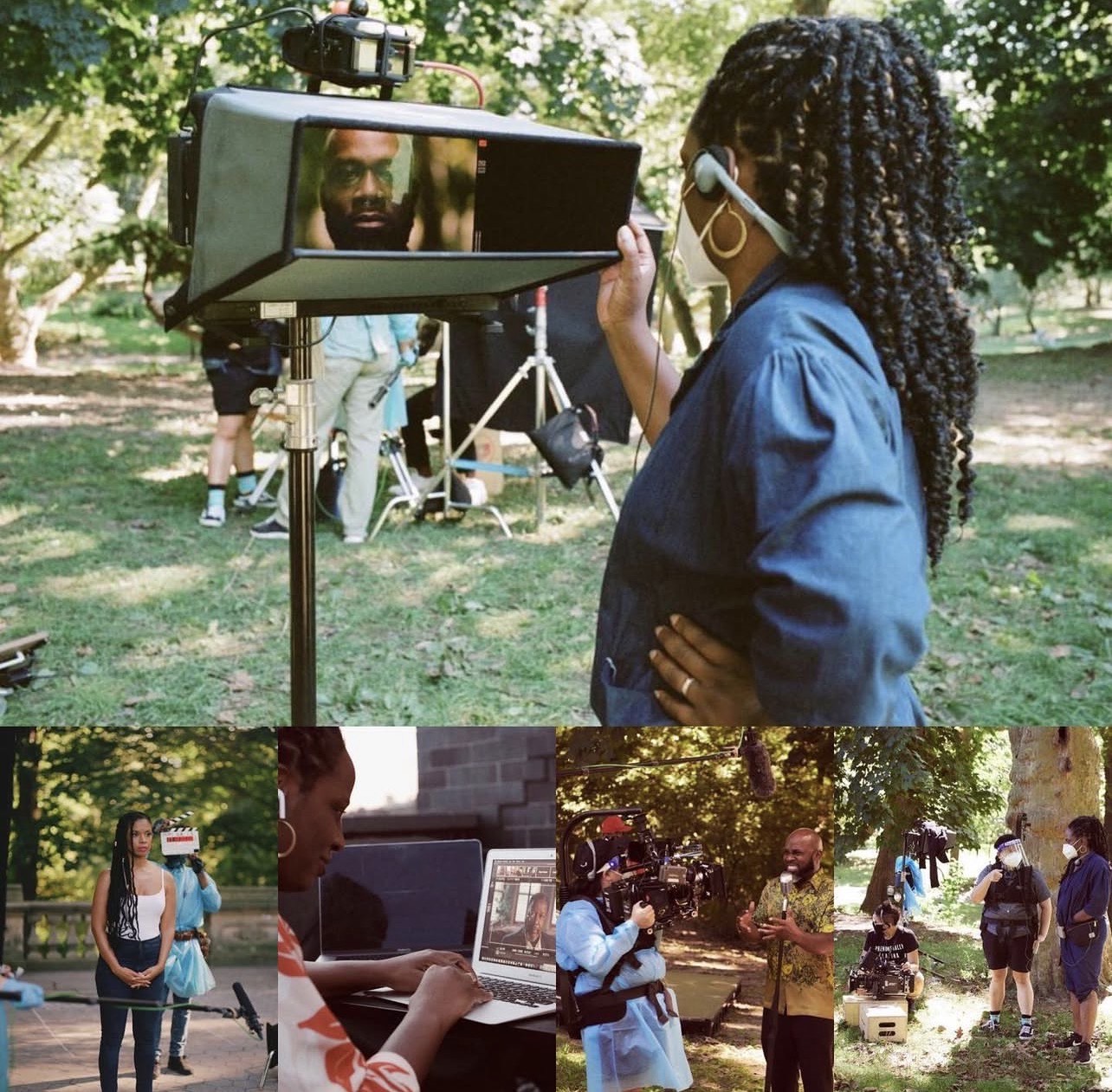
And then I watched her ascend to a next level still — producing and directing Between the World and Me, Ta-Nehisi Coates’s words, the story carried by her own college friend among others, needed as hell in the season it arrived. She originated it on the Apollo stage in 2018, brought it back by demand, toured it, and directed the version that aired on HBO in November 2020, when its meditation on the Black body and American history landed with almost unbearable timing. What a beautiful, beautiful beginning of a journey — because that is what it felt like, even as it crowned everything before it. She had taken a book written as a letter from a father to a son and made it a communal act: spoken aloud, in a room, together.
In the spring of 2026 she announced she would step down from the Apollo at the end of the season, closing a decade of leadership to pursue independent work for stage and screen — a Soul Train musical bound for Broadway, a film of Coates’s The Water Dancer, a seat on the National Council on the Arts. Howard honored her at its 2026 Charter Day; the doctor-who-wasn’t came home a distinguished daughter of the house.
I think often about what connects all of it — the quiet conversations at the festival, the table she set for my own company, the strain and the rising in Harlem, the work still ahead of her. It is a single refusal: to let Black artistry be flattened, or romanticized, or held at arm’s length. She makes the room, and then she fills it with everything the moment actually holds. That is its own kind of pleasure — the pleasure of being received in full. It is the thing I believe art is for. Kamilah Forbes is a force of nature, and she has always, always made room for all of us.
Fourteen years of making room