The Body
Believes Last
On pleasure as permission — and the quiet, physical evidence that arrives when a life finally gets easier.
There is a kind of pleasure no one warns you about, because it does not announce itself the way we are taught to expect. It does not arrive as appetite or indulgence, as the bite or the touch or the held breath before something begins. It arrives instead as a loosening. As swelling that recedes. As a stomach that settles for no reason you can name. As sleep that finally goes all the way down. It is the pleasure of a nervous system that has decided, at last, that it is safe.
We speak of pleasure as something we pursue. But there is an older, stranger pleasure that we must instead be willing to receive — and receiving, it turns out, is the harder art. The body that has spent years bracing does not soften on command. It has organized itself around effort, around vigilance, around the conviction that everything depends on its holding. Ease, when it comes, can feel almost suspicious to such a body. Unfamiliar. Like a room it does not yet trust enough to sit down in.
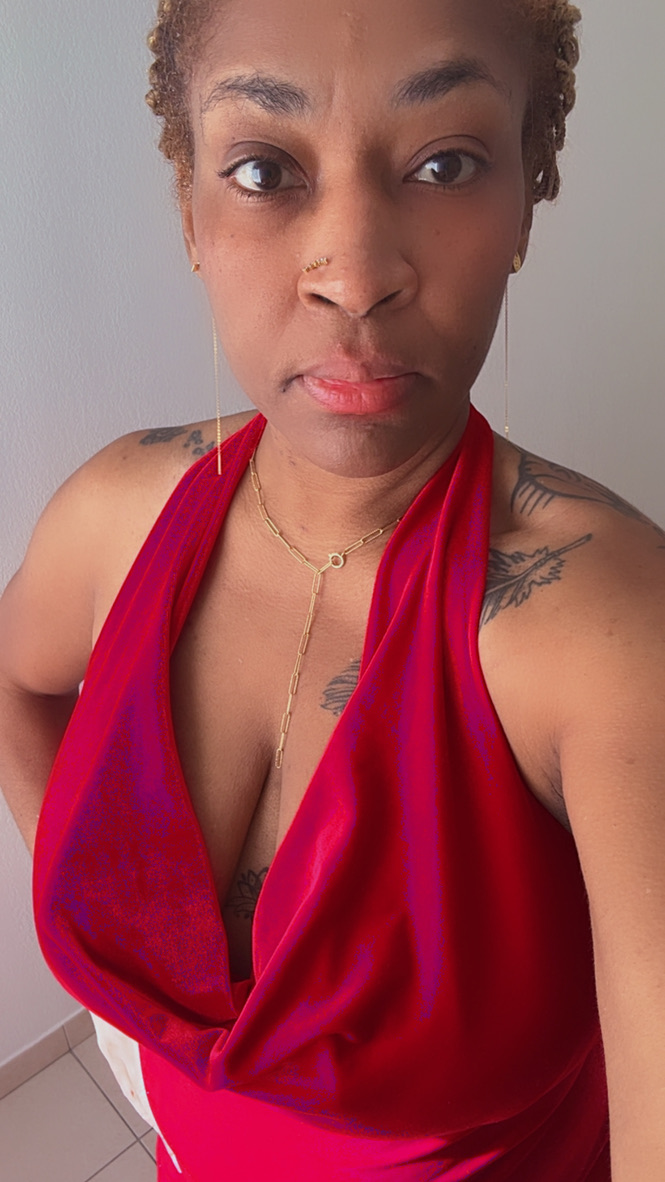
Ease is not the absence of effort. It is the body’s permission to stop bracing.
I have come to trust the body’s record over the mind’s report. The mind will insist it is fine long after the body has been keeping a different ledger — one written in tension held along one side, in shallow breath, in the small inflammations that are the physiology of strain. And when a life finally eases, the mind is rarely the first to know it. The body knows first. It exhales before we give it permission to. It registers relief as fact while the mind is still constructing reasons to doubt it.
“The body knows first. It exhales before the mind gives permission.
This is what I mean by evidence of pleasure: the physical proof that a thing has actually become safe, arriving in advance of our belief. We are accustomed to treating the body as the last to be consulted — the part of us we override, discipline, push past. But in the matter of ease, the body is the most honest witness we have. It cannot perform contentment it does not feel. When the shoulders drop, when the breath lengthens, when the appetite returns gently rather than as hunger or its refusal, something true has happened. The soma does not flatter us. That is precisely why we can believe it.
To reconcile with one’s own nervous system is to stop asking it to stay armed in conditions that no longer require armor. For many of us — and especially for those who learned early that they were the ones things rested upon — the body’s vigilance was once intelligent. It kept us ready. It made us reliable. But vigilance outlives its usefulness, and a body that cannot tell that the emergency has passed will keep producing the chemistry of emergency in a life that has become, by every visible measure, good.
The reconciliation is gentle and it is slow. It is the self and the body coming, at last, into agreement: that ease is allowed. That pleasure is not a reward to be earned through sufficient suffering, but a baseline the body is permitted to return to. That softness is not the same as danger. We do not argue the body into this. We demonstrate it to the body — through warmth, through rest, through the small daily evidences of care — until it consents to believe what the life has been trying to tell it all along.
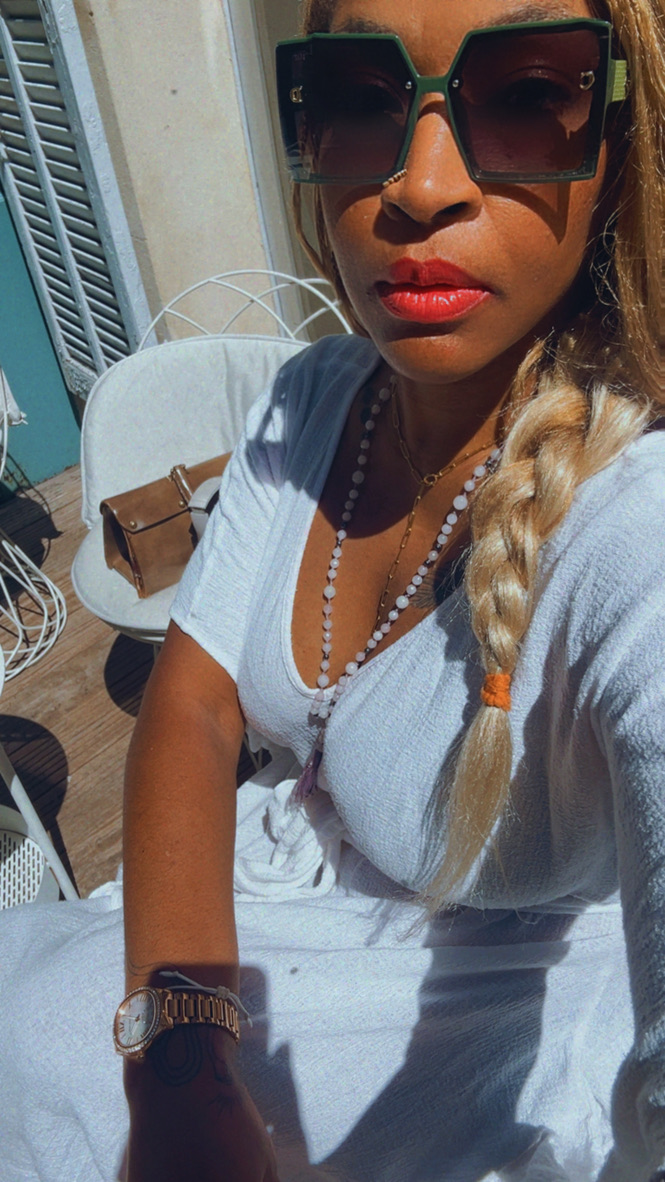
Pleasure as a standard, not a reward.
This, I think, is the most radical thing the Pleasure issue can propose: that pleasure is not always the loud, sensual yes we imagine. Sometimes it is the body finally agreeing to put down what it has been carrying — and discovering, in the putting down, that nothing falls. That the holding was never what kept things standing. That ease was available the whole time, waiting only for the nervous system to believe it.
Made From
Fullness
On creativity that arrives not as a burst, but as a quiet, curious note — and the case for making from a regulated, eased body.
For most of my making life, creativity arrived as a rush. A burst of things out of the body, urgent and overflowing, more arriving than I could catch. I mistook this for the nature of inspiration itself — the flood, the surge, the productive frenzy our culture so admires and so romanticizes. We are taught that the creative act is a kind of beautiful violence: the artist consumed, the work torn loose, the more-more-more of it. We rarely ask what that urgency is actually made of.
I have begun to suspect that much of what I once called inspiration was discharge. A nervous system running high, releasing its charge through the work — generative, yes, and sometimes brilliant, but driven by an undertow of pressure rather than pleasure. The burst feels like aliveness. Often it is only adrenaline, wearing the costume of the muse.
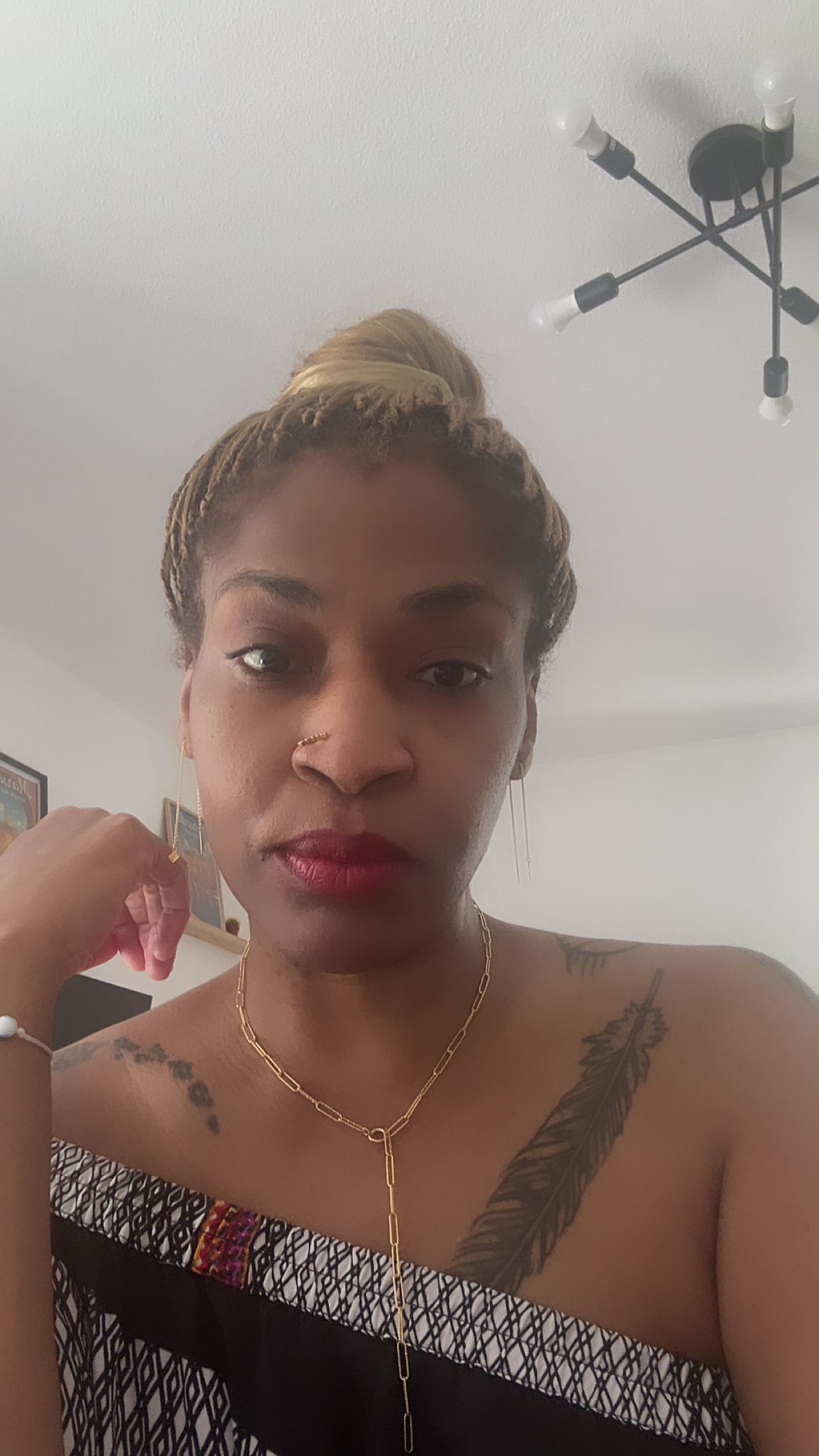
Not every surge is inspiration. Some of it is only the body discharging.
There is another way the work can come, and I am only now learning its texture. It does not burst. It arrives as a subtle note — curious, inquisitive, almost shy. A small question the body poses to itself. It does not overflow; it offers. And where the burst leaves me spent, this quieter making leaves me intact, sometimes even more whole than when I began. It is creativity sourced not from depletion or urgency, but from fullness.
“The burst leaves you spent. Making from fullness leaves you intact.
This is what it means to create from a regulated body. When the nervous system is at ease, it is not scrambling to release a charge; it is free to be curious. Curiosity is the native language of a settled body — it cannot fully arise in a system braced for threat. And so the work that comes from ease has a different grain to it: less performance, more inquiry. Less the flood, more the slow turning-over of a single beautiful question. It asks rather than insists. It can afford to.
I want to be precise about how this feels in the body, because the difference is somatic before it is anything else. The burst lives high in the chest and the throat — fast, hot, slightly frantic, a pressure seeking release. Making from fullness lives lower and wider. It is spacious. The breath stays long. There is no urgency to finish, because the making is not relieving anything; it is simply expressing something that was already, quietly, at home in the body. The work arrives at the pace of breath rather than at the pace of need.
We have built entire creative mythologies around the frantic burst — the deadline adrenaline, the all-night fever, the suffering that supposedly sharpens the work. I no longer believe the suffering is the source. I believe it is the noise the source has to shout over. Quiet the body, and the source does not disappear; it clarifies. It begins to speak in its true voice, which turns out to be far gentler than the one we mistook for it.
Ease can be the standard the work is made from.
So I am proposing a different standard, and I am proposing it in the issue on Pleasure because that is exactly where it belongs. That creativity can be a pleasure rather than a purge. That the eased, regulated body is not a less productive instrument but a more honest one. That the gentlest version of our making — unhurried, curious, sourced from fullness rather than from lack — may also be the truest. We do not have to bleed for the work. We are allowed to make it the way we are learning to live: gently, and on purpose, and from a body that finally believes it is safe enough to play.