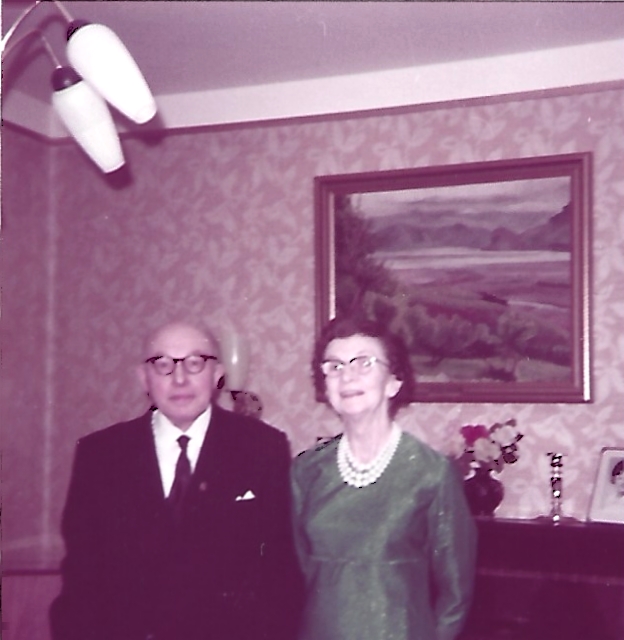
I think I learned to see before I learned to understand what I was seeing.
I grew up in a house where several generations of my family lived together. There were three apartments: my parents, my sisters and I lived in one, my grandparents in another, and my great-grandparents in the third. My great-grandfather had built the house himself.
I remember how emotional he could become whenever someone moved away. Sometimes he would cry when one of the apartments became empty. I was too young to understand it then. To me, someone was simply moving to another home. To him, it seemed that a part of the family was leaving the house he had built.
He could be impatient and strong-willed, and I certainly knew how to irritate him with my endless curiosity. But beneath that was great tenderness. He cared deeply about his family and wanted everyone to be safe and to move forward in life. I think that is one of the reasons I felt so safe there.
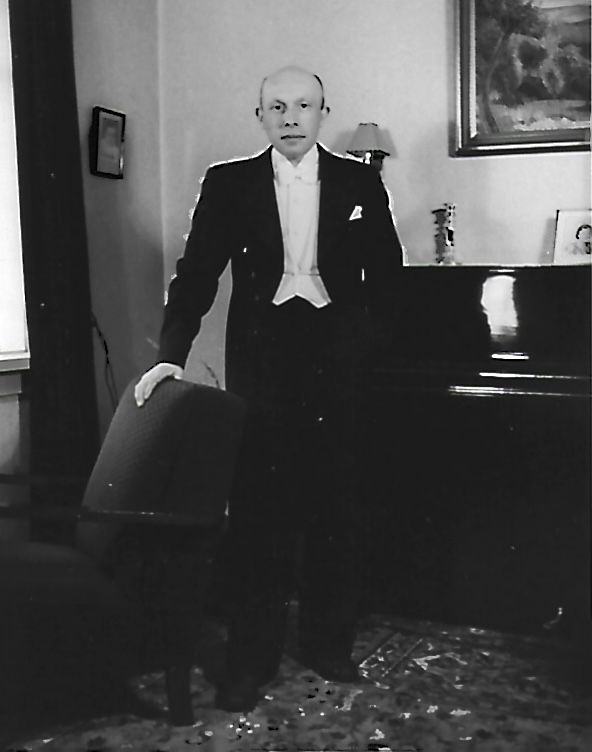
His great-grandfather — bookbinder, photographer, filmmaker; he built the house himself
I was about six when my parents bought their own apartment and we moved away. I had a loving childhood, but leaving that house felt like leaving a small world behind. There had always been people around me, and always something happening.
I remember the house through its smells as much as through its rooms: freshly baked bread, cakes, coffee and lunch being prepared. My grandfather and great-grandfather would come home for lunch, and there was often fish on the table. I could wander between the apartments, be offered a piece of cake by my grandmother, then disappear into my great-grandfather's workshop in the basement.
I was a grúskari — an Icelandic word for someone who is deeply curious, someone who searches, investigates and digs into things simply because they want to know more. I was always opening drawers.
The house itself was full of detail. Patterned wallpaper in greens, yellows, browns and warm beige. Small French windows painted glossy white, with sheer curtains beneath heavier ones. My grandmother had a formal sitting room filled with older furniture, and another, everyday room with lighter 1960s pieces.
She was a maker herself. She sewed clothes, made American-style quilts, embroidered pictures and created beautiful floral fabrics that were later upholstered onto her chairs. She also cooked and baked constantly.
My great-grandmother's apartment was different again. Her furniture was older, much of it inherited from her own family. There were dark wooden chairs, paintings, sculptures, silverware, books and countless small objects. She loved literature and read constantly. I loved sitting with her while she told me where things had come from.
Everything seemed to have a story if you were curious enough to ask.
One of the smallest things I remember is a little music box that hung from the chandelier above her dining table at Christmas. It was small, shiny and silver-blue, almost like a piece of jewellery. When you wound it up, it played Silent Night. I don't know what became of it. But even now, when I hear Silent Night at Christmas, I am taken back to that room.
It is strange what the mind chooses to keep. Sometimes it is not the important things, but a sound, a smell, the ticking of a clock, the feel of velvet, or a little melody hanging from a chandelier.
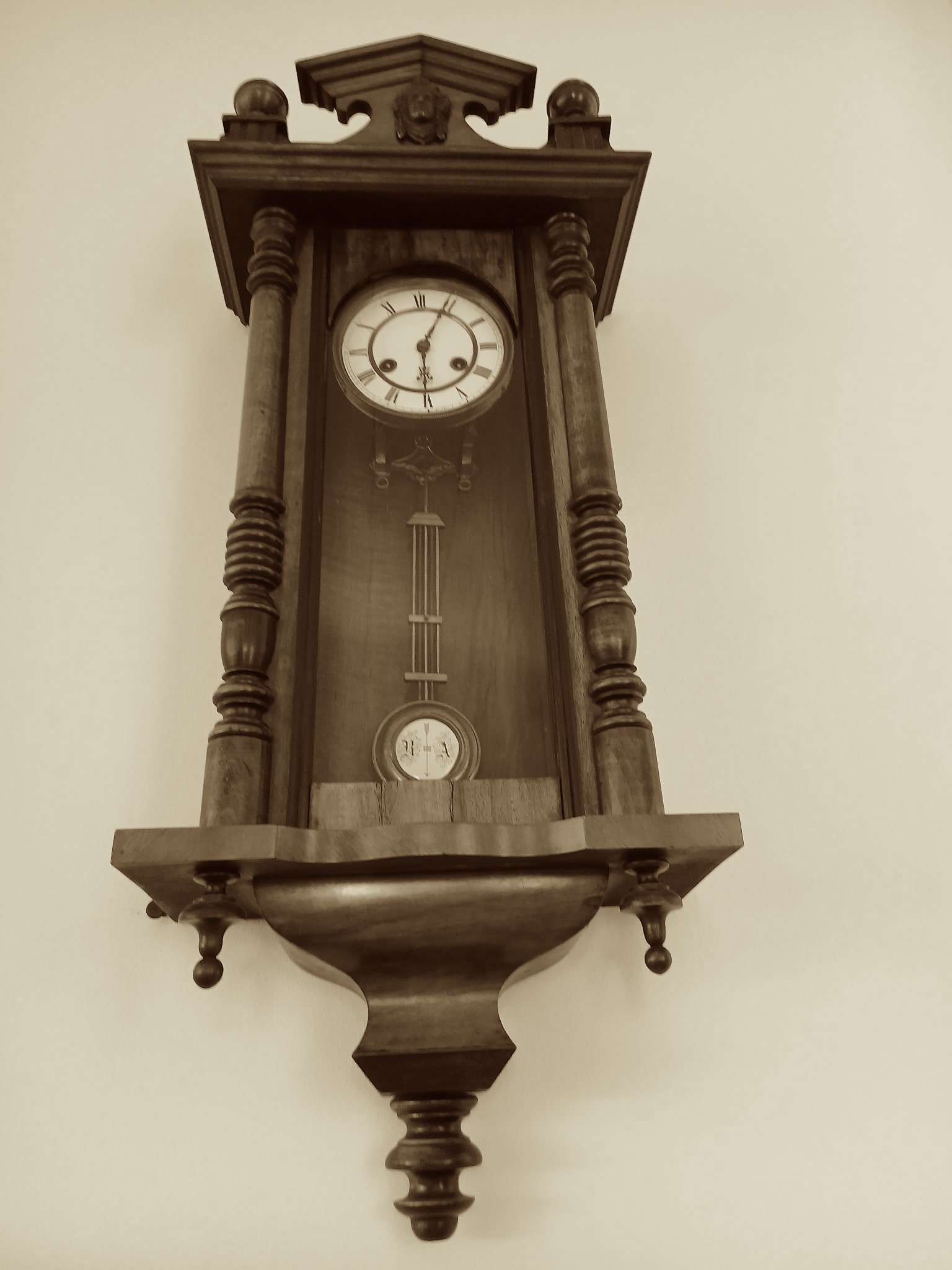
His great-grandmother's clock — its ticking, he still remembers
My great-grandfather was a maker in almost every sense. He was a bookbinder, photographer and filmmaker, and was involved in founding the Reykjavík Brass Band. He travelled around Iceland photographing landscapes and volcanic eruptions, and filmed his journeys with his 8mm camera. He remained an adventurer well into old age.
His workshop was in the basement. Inside were tools, materials and half-finished things. Some of the tools he had made himself. Even after he stopped working professionally, he spent long hours binding books by hand, working with leather and patterned materials. Sometimes I sat beside him and watched. I was fascinated by his hands. I was lucky enough to inherit several of the books he bound. They are among the most precious things I own.
He also had boxes of photographs and slides. Sometimes we would draw the curtains, set up the projector and turn the wall into a screen. Suddenly we were travelling across Iceland — landscapes, family gatherings, celebrations and people from another time.
Music was everywhere too. My grandfather played the accordion without ever formally learning. He never read music; he simply played by feeling. He could play almost any song you asked for. He was also an extraordinary draughtsman. He had never formally learned to draw, yet he could take a scrap of paper and a pencil and sketch a portrait in minutes.
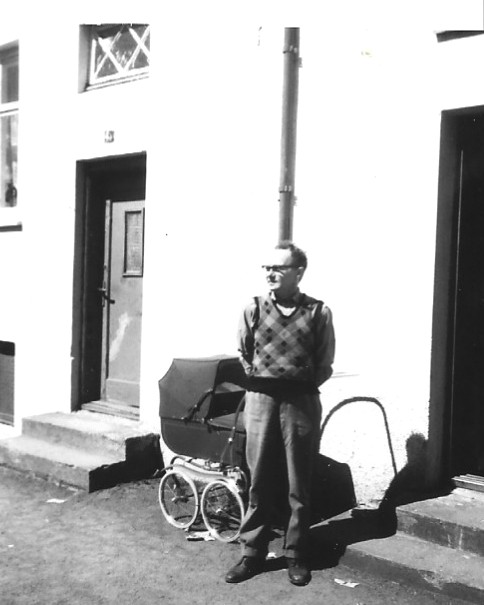
His grandfather, before the family moved out of the house
I tried to do what he did. I took drawing classes and life-drawing courses, hoping to acquire the ability that seemed to come so naturally to him. I never quite managed it. My own instinct was elsewhere.
I had been drawing for as long as I could remember — especially houses, their façades and interiors. I had an enormous imagination and could close my eyes and see things that did not yet exist. By the time I was approaching my teenage years, I knew that whatever I did with my life would have to be creative. I considered photography, filmmaking and fine art. Eventually I found my way to design. Looking back, it seems almost inevitable.
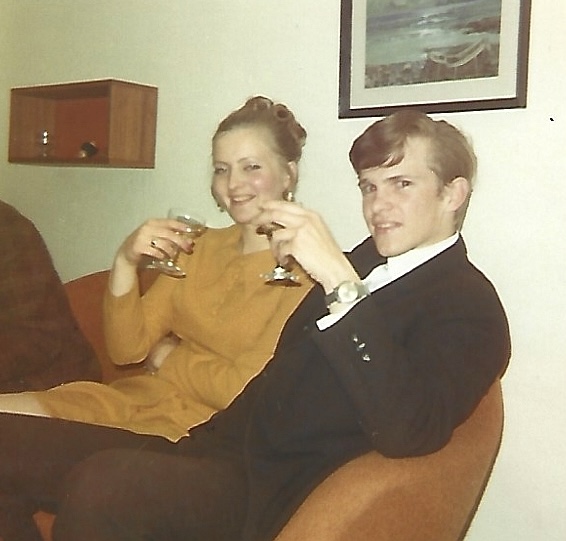
His parents, before he was born
My father was part of this creative world too. He was a trained printer and worked in publishing and graphic layout for magazines, newspapers and books. Because he worked for a publisher of children's books, new books regularly found their way into our home. My mother gave me something different: patience and kindness. I think both qualities have stayed with me.
Years later, when I moved to Florence to study interior design, I encountered a world that felt strangely familiar: leather workshops, furniture makers, tailors, artists and bookbinders. One day I passed a small bookbinding workshop where an older man was doing almost exactly what my great-grandfather had done. I stopped and watched. It felt like meeting something from my childhood in another country.
Perhaps that is why I have always been drawn to old things — old architecture, furniture, objects with a history, places where craftsmanship and memory remain visible. It is one reason I have always felt comfortable living in Southern Europe, first in Florence and now in Málaga.
Today I work as an interior designer. And I realize that I am still a grúskari. Only now, I grúska in a different way.
When I meet a client, I want to know who lives in the house. What do they love? How do they spend their evenings? Do they cook, entertain, have children or pets? What colours, textures and materials make them feel at home?
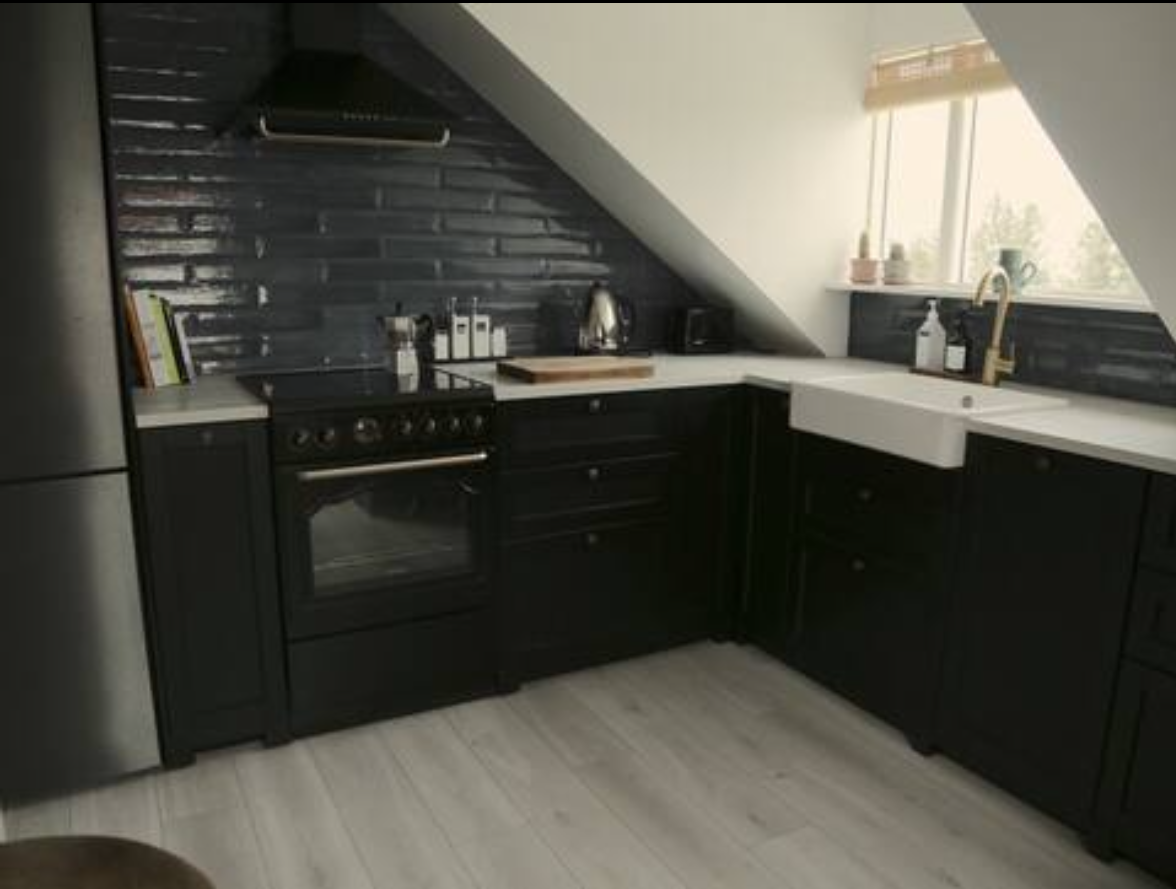
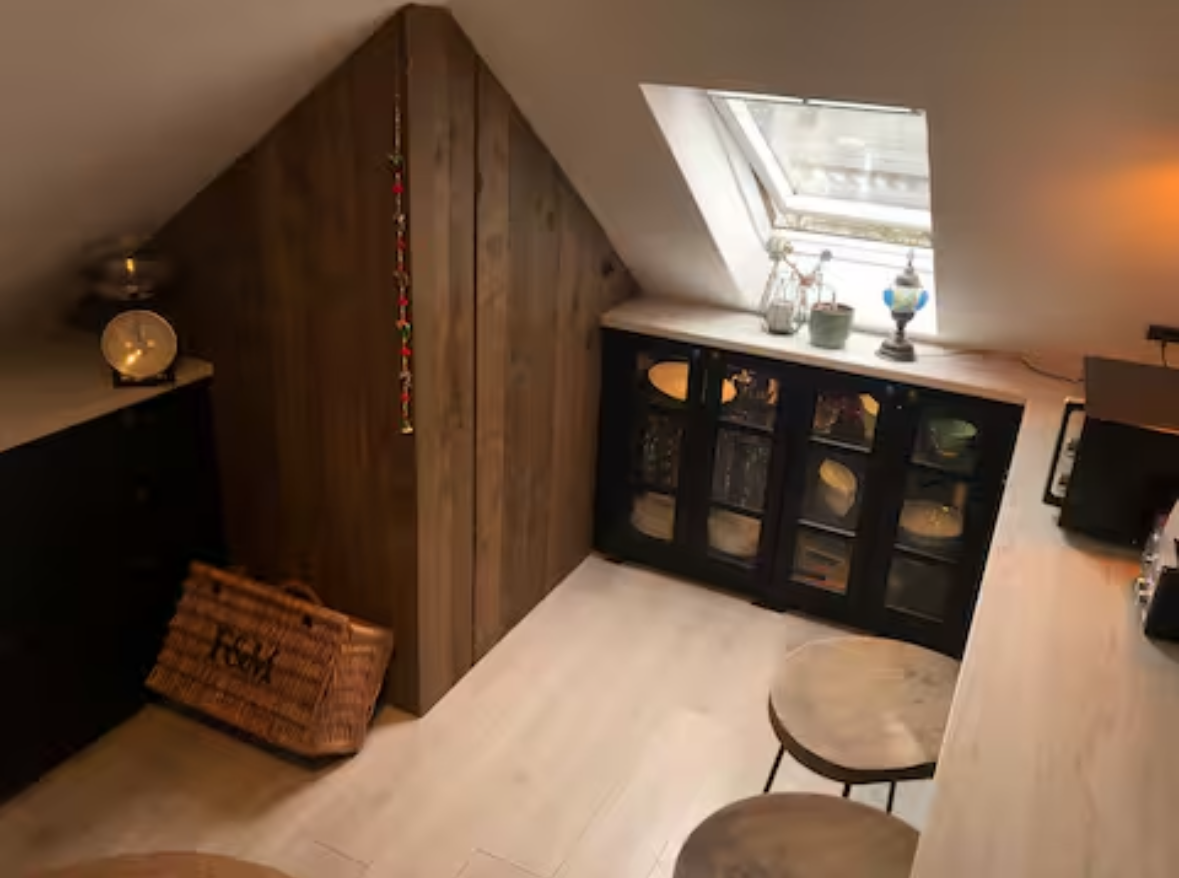
A kitchen, remodelled by his hand
"A home is a nest. The things around us are only the frame. The life inside them is the real interior."
I no longer see a home simply as a collection of rooms and objects. A home is a nest. It is a refuge from the outside world. A place to rest, recover and gather the people we love. The things around us are only the frame. The life inside them is the real interior.
Perhaps this is what my childhood home gave me. Not a particular style. Not simply an appreciation for beautiful things. A way of looking.
After my great-grandparents died, my father inherited several things from their home: the chandelier above their dining table, some paintings, and the clock whose ticking I still remember. Those things came with us into the home where I grew up afterwards. They had left one house, but they had not lost their meaning. They simply began another life.
Years later, as a teenager, I found an old painted chest in the basement. Inside were papers and unfinished books my great-grandfather had never got around to binding. My grandmother was probably going to throw it away. I asked if I could have it. I stripped away the old paint and discovered beautiful wood. Inside the lid was a hidden compartment. Later I learned that my great-grandfather had made the chest himself as a young man, when he left the countryside for Reykjavík to begin a new life.
More than a century later, I was carrying it into my own life. I still have it. Not because it is valuable. Because it carries a story. His story. And now, mine.
Perhaps this is what the years have yielded. Not simply a profession, but a way of seeing.
I spent my childhood opening drawers. I think I am still doing it. Only now, instead of asking what is inside the drawer, I find myself asking what is inside the room.