There are artists who become famous for a signature and then spends the rest of his life taking it apart. Shuck One is one of them.
In 1986 he seized the walls and the underground arteries of Paris, and his name — that name — went everywhere: lines 2, 9, and 13, the strategic veins of the Métro, until the whole city had seen it and called him the king of the subway. It is the oldest ambition in his art form. Write your name large enough, often enough, in enough forbidden places, and you become undeniable. The signature is the whole point. It is how you refuse to disappear.
And then he began to let it go.
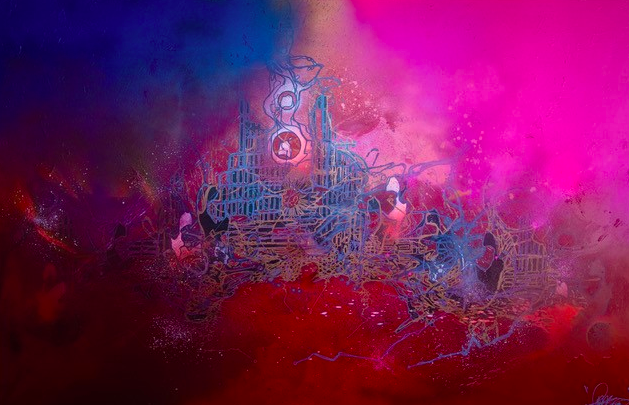
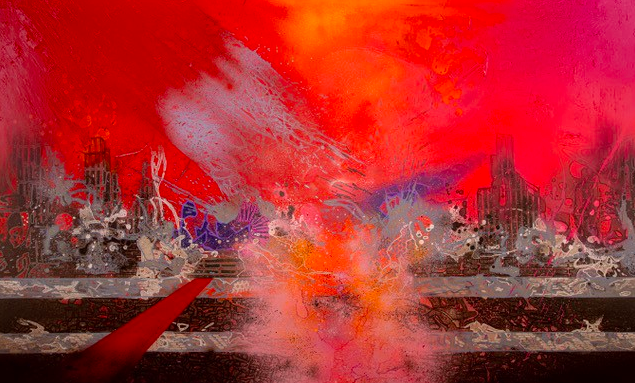
In the early nineties, without abandoning the wall, he turned toward canvas — and something happened to the lettering. The outlines began to crack. To dissolve. The name that had made him king started coming apart under his own hand, giving way to an abstraction that was no longer legible as any word at all. He gave up the very thing that had made him undeniable, in order to become something larger than a name on a train.
That is yield. Not defeat — surrender. The letting-go of the signature so the work can become what it was always trying to be.
I keep thinking about what it costs to do that. To have earned recognition for one thing and then, at the height of it, to allow that thing to dissolve because the deeper work required it. Most people, having become the king of anything, spend the rest of their lives defending the crown. He set his down and kept painting.
"He gave up the very thing that had made him undeniable, to become something larger than a name."